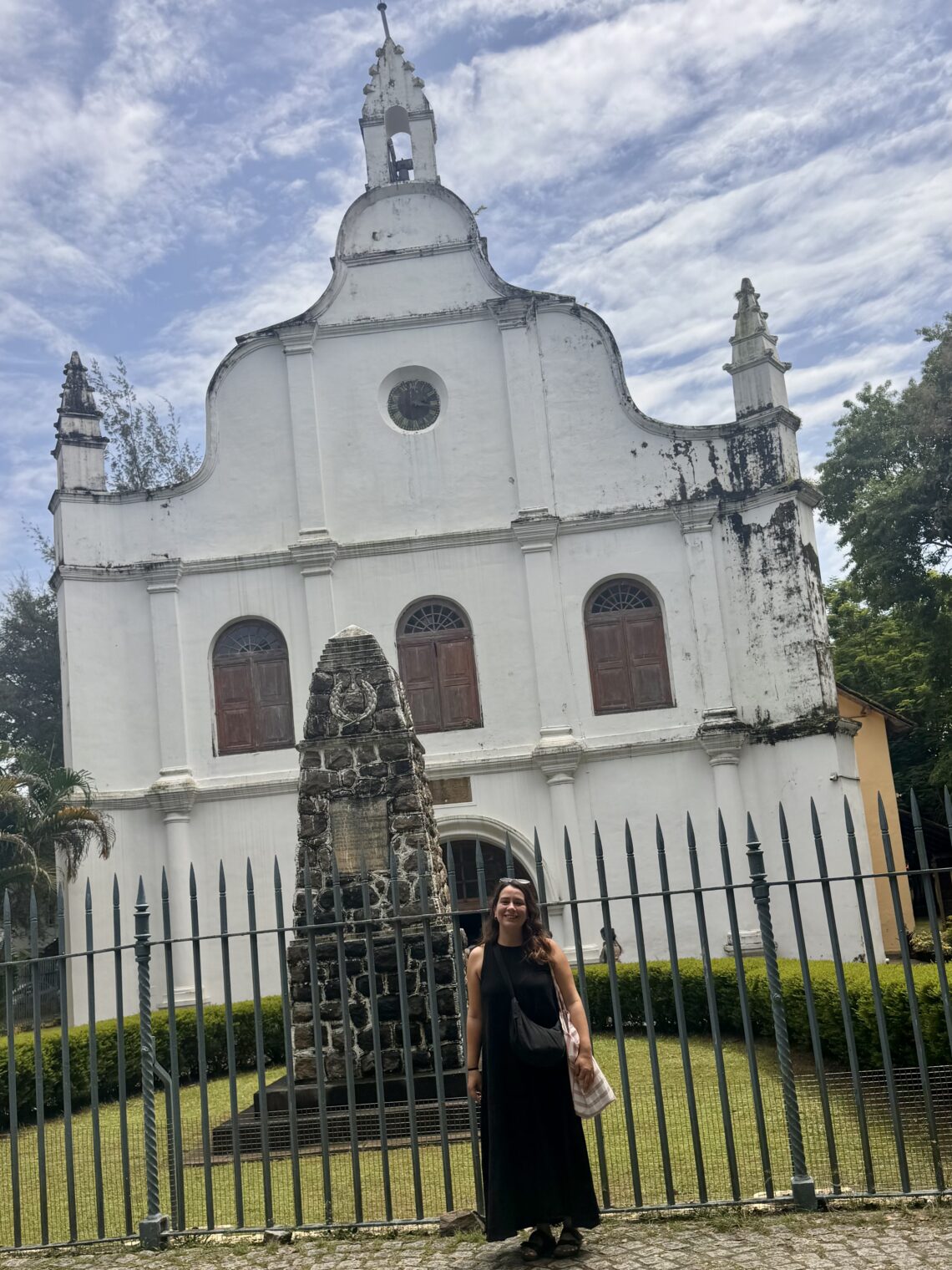
Complete Kochi Guide For First Time India Visitors
I flew into Kochi as my very first stop in India, planning to stay for just a few days. Almost three months later, I was still there.
I arrived nervous because India had built itself up in my head as this overwhelming, chaotic place where everything would be difficult. Kochi turned out to be the complete opposite of what I expected. Fort Kochi felt calm, easy to navigate, tourist-friendly and much less intense than the India I had imagined before arriving.
That’s a big reason why I think Kochi is such a good place to start if it’s your first time in India. It gives you time to adjust without immediately throwing you into the deep end.
This Kochi guide covers everything I wish I’d known before arriving, including how to get there, where to stay, how to get around, costs, safety, things to do, day trips and all the practical information you need to plan your trip.
Is Kochi Worth Visiting?
Yes. After spending almost three months in Fort Kochi, I’d absolutely say it’s worth visiting — especially if you want a calmer, easier side of India.
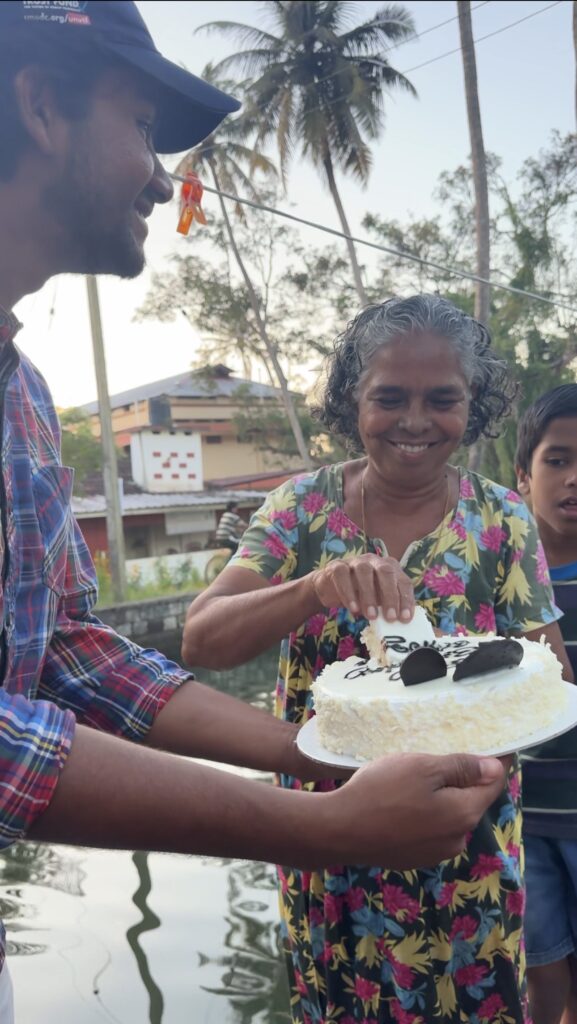
I have a full post breaking down the pros, cons and who I think Kochi is best for:
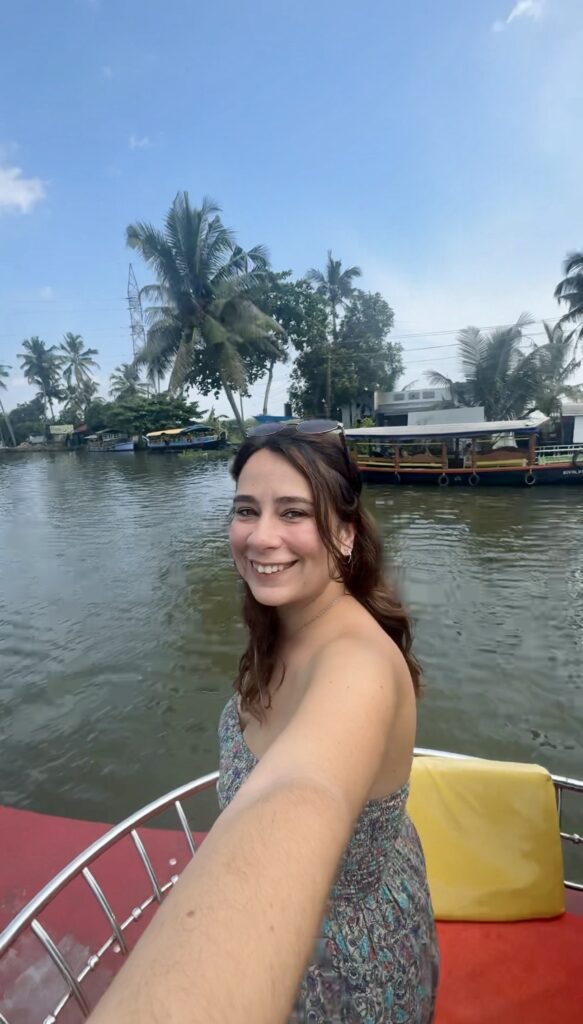
How Many Days Do You Need in Kochi?
For most first-time visitors, I’d recommend 2–3 days in Kochi.
You can see the main sights in one day, but Kochi is one of those places that works better when you’re not rushing from one attraction to the next.
1 Day in Kochi
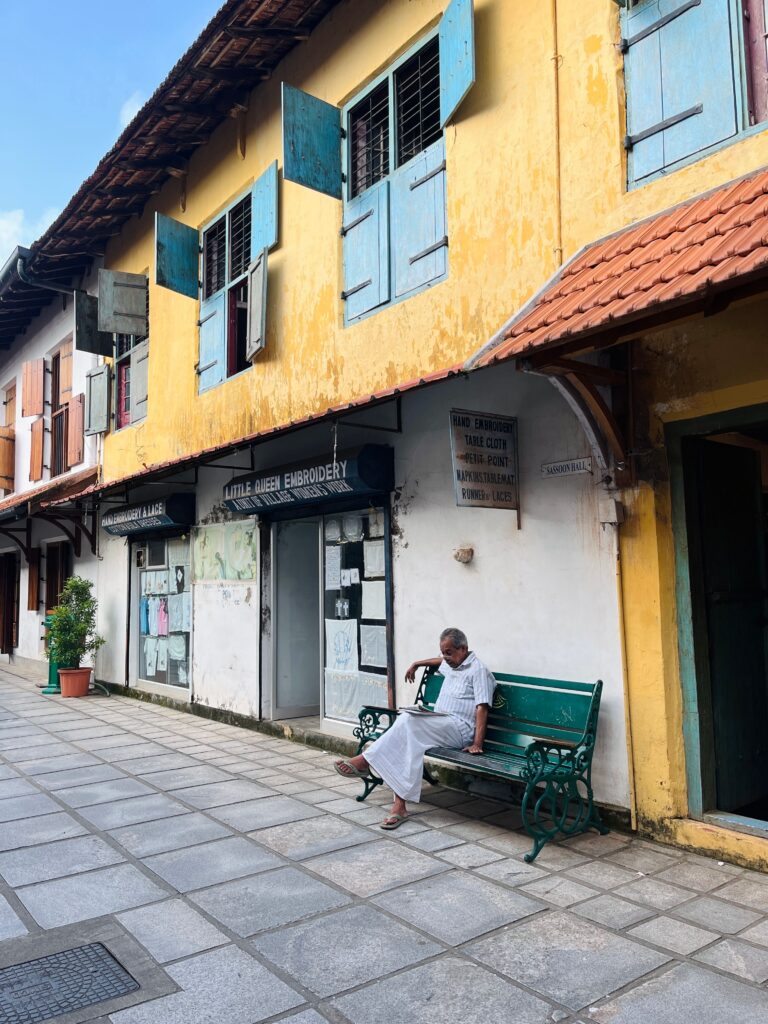
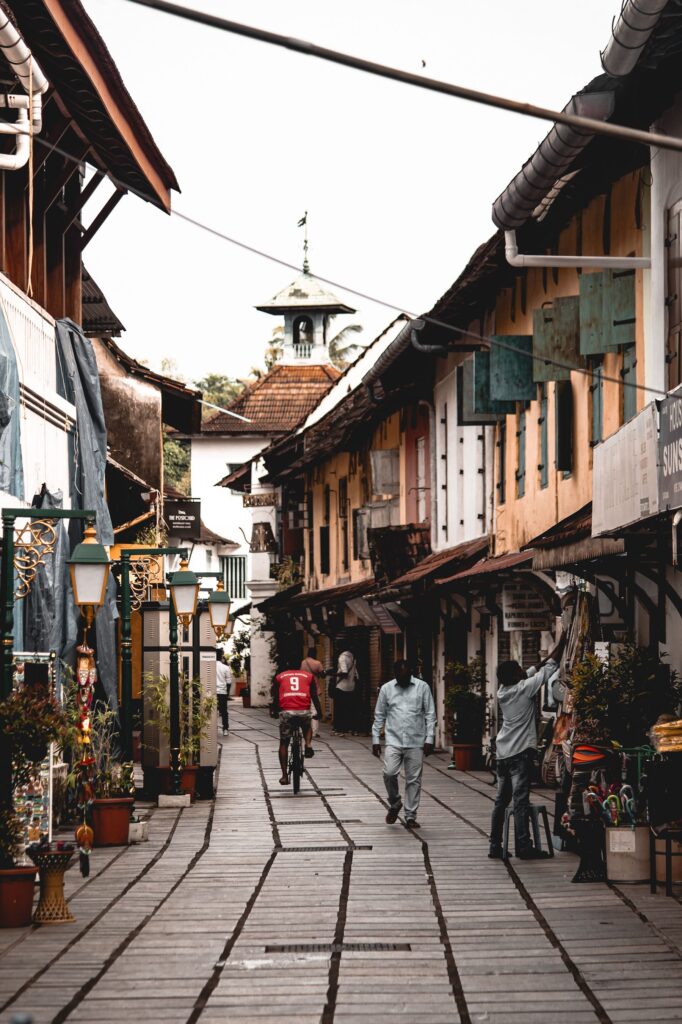
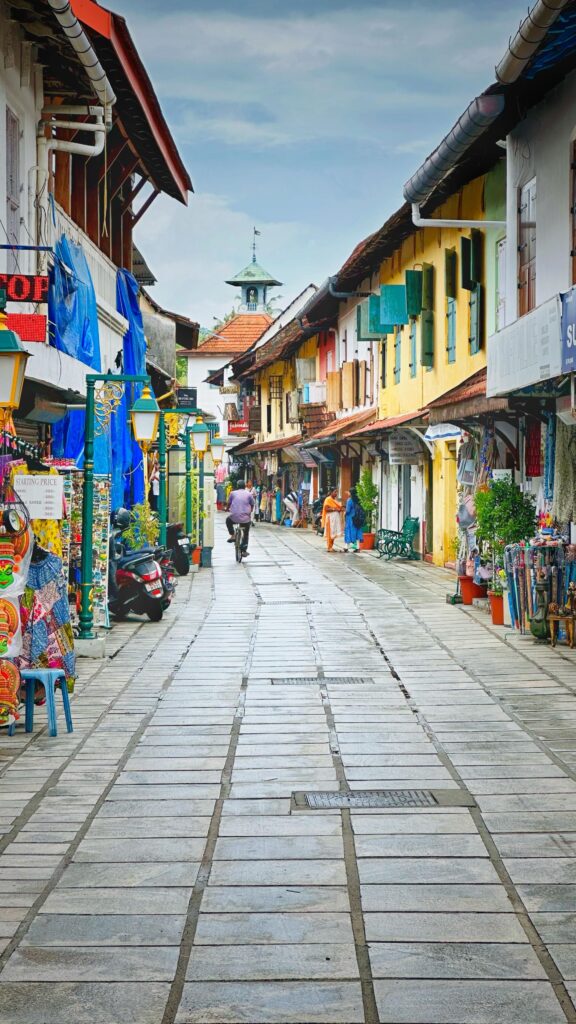
If one day is all you have, you can still see Fort Kochi, the Chinese Fishing Nets, Princess Street, the churches, Jew Town and Mattancherry before coming back to the waterfront for sunset.
It will be a packed day, but it’s enough to get a taste of Kochi.
2–3 Days in Kochi
For most people, 2–3 days is the sweet spot. You have enough time to properly explore Fort Kochi and Mattancherry, take the ferries or Water Metro, watch a Kathakali performance, spend some time in the cafés and potentially add a backwaters trip without cramming everything into one day.
It also means you can slow down during the hottest part of the day instead of trying to sightseeing-marathon your way through Kerala.
Staying Longer in Kochi
And then there’s the other possibility: you accidentally stay for three months like I did.
I originally planned four days in Kochi. The longer I stayed, the more I liked it. I had my cafés, restaurants, familiar streets, people I knew and a routine, and eventually Fort Kochi stopped feeling like another destination I was traveling through.
If you work remotely, travel slowly or simply want somewhere to decompress after more intense parts of India, Kochi is incredibly easy to stay in for much longer.
How to Get to Kochi
Flying to Kochi
Most international and domestic flights arrive at Cochin International Airport (COK).
The important thing to know is that the airport is nowhere near Fort Kochi. Depending on traffic, the drive usually takes around 1–1.5 hours, so don’t land expecting to be at your hotel 15 minutes later.
If Kochi is your first stop in India and you don’t want your introduction to the country to involve figuring out buses with all your luggage after a long flight, booking a transfer is the easiest option.
Book here: Kochi Airport Transfer
Getting to Kochi by Train
Kochi is well connected by train to the rest of Kerala and other major cities in India.
The two main stations are:
- Ernakulam Junction
- Ernakulam Town
Both are on the Ernakulam side of Kochi rather than in Fort Kochi, so if you’re staying in Fort Kochi you’ll still need to continue by auto, Uber or ferry.
Getting to Kochi by Bus
I used buses constantly during my six months traveling around India and honestly think they’re one of the easiest ways to move between cities.
I booked almost everything through RedBus, and overnight buses often have actual beds with privacy curtains, which made long journeys much easier than I expected.
One RedBus feature I REALLY appreciated as a solo female traveler was being able to see whether the passengers already booked around me were men or women before choosing my seat. If I saw that I was going to be the only woman in that part of the bus, I could simply choose another one.
How to Get Around Kochi
One of the things I loved about Kochi is how easy it is to get around compared to many other places in India.
Around Fort Kochi especially, you’re not constantly trying to decode complicated transport or negotiate every single ride. Most of the time, you can just walk, book an auto or take the ferry.
Walking Around Fort Kochi
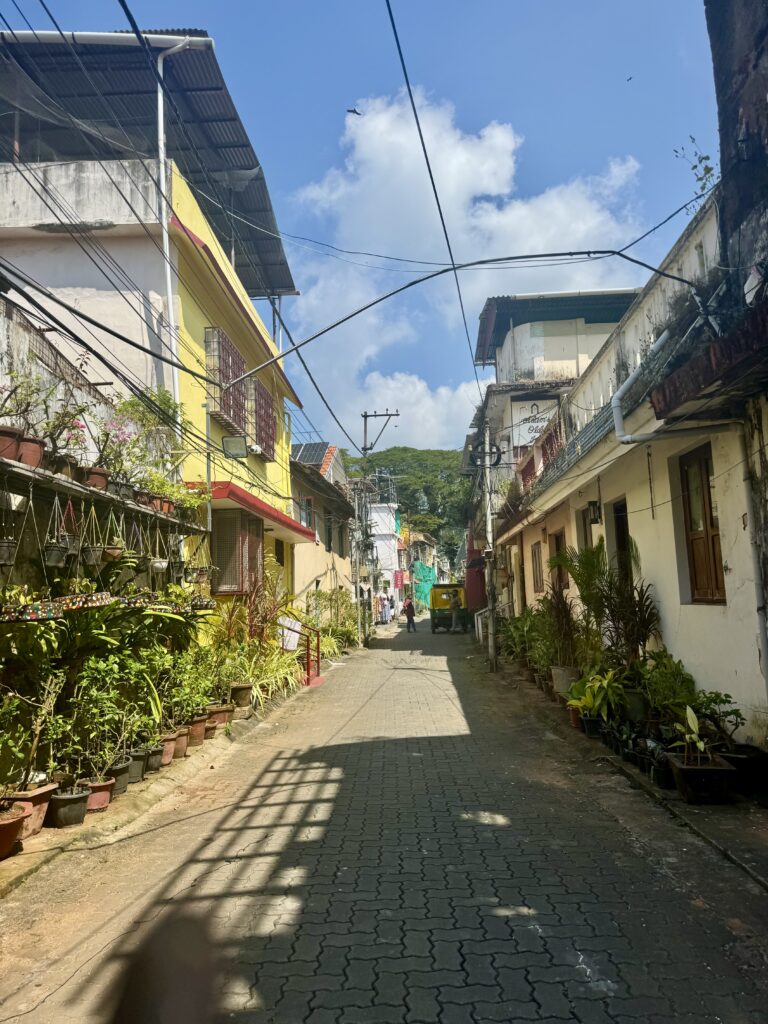
If you stay in Fort Kochi, you’ll probably walk most places.
The cafés, restaurants, churches and main sights are all fairly close together, and honestly, a lot of the fun is just wandering around without much of a plan.
The only problem is the heat. Kerala humidity can be brutal in the middle of the day, so even short walks can suddenly feel much longer than they looked on Google Maps.
Uber & Rapido
For anything too far to walk, I mostly used Uber and Rapido.
Rapido was usually my go-to for autos because it was often cheaper, and using an app makes things much easier because you already know the price and don’t have to start negotiating every time you need a ride.
Water Metro
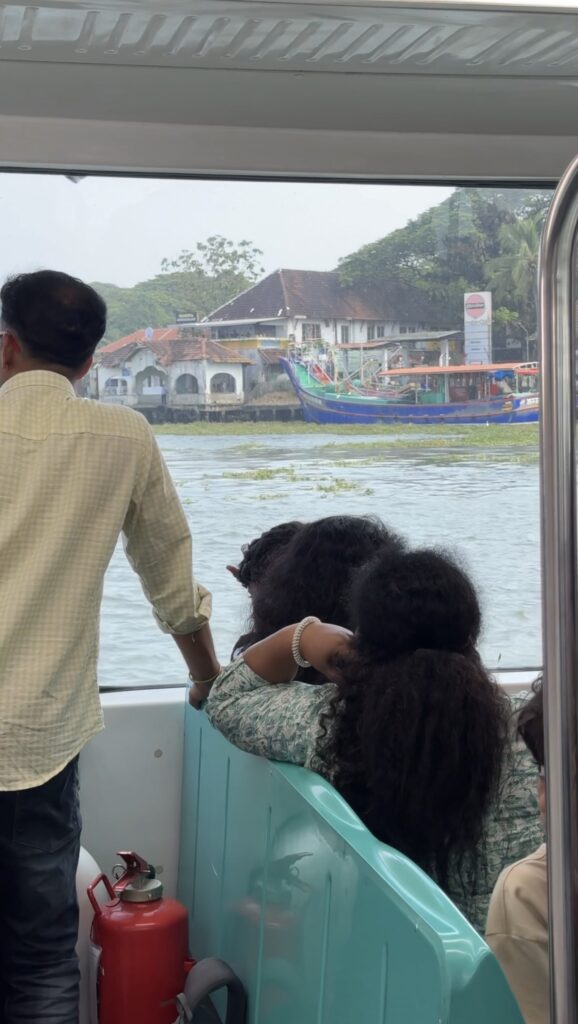
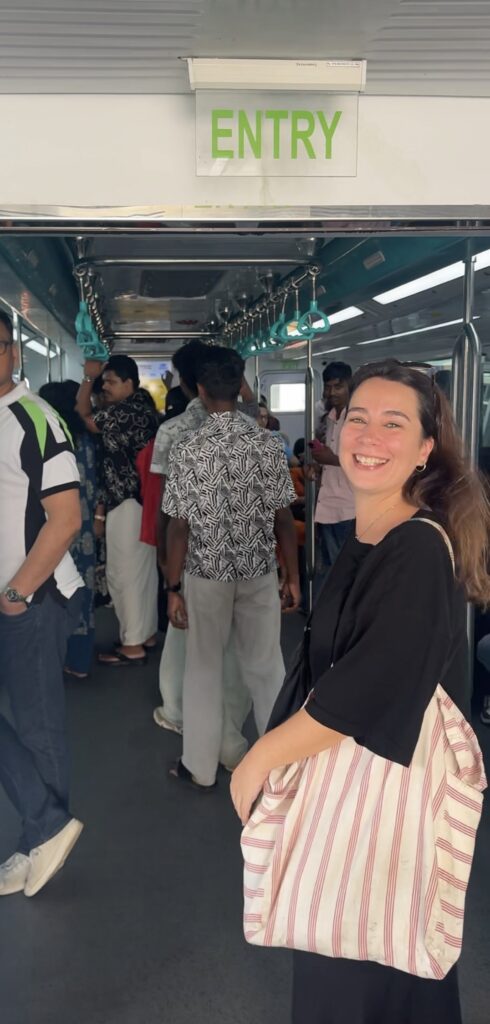
The Kochi Water Metro is genuinely one of the coolest ways to get around the city.
It connects different parts of Kochi by water, it’s cheap, air-conditioned and very easy to use. I’d actually recommend taking it at least once even if you don’t strictly need to, because the ride itself is part of the experience.
Local Ferries
Kochi also has regular local ferries connecting areas like Fort Kochi, Mattancherry and Ernakulam.
They’re extremely cheap and used by locals every day, so they’re both practical and one of the easiest ways to see a different side of the city.
Auto Rickshaws
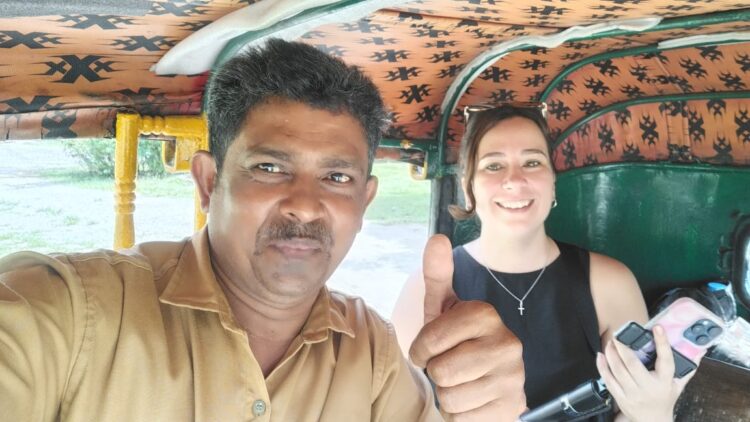
Autos are everywhere and are usually the easiest option for short distances.
I found drivers in Kochi much fairer than in many other parts of India, but if you’re not booking through Uber or Rapido, agree on the price before getting in.
Connectivity in Kochi | SIM Cards & eSIMs
Getting a local SIM card in India as a tourist can be much more complicated than you’d expect.
When I tried to get one in Bangalore, it took me around 7 hours. I was rejected multiple times because I didn’t have an Indian ID, didn’t already have an Indian phone number, and at one point they even wanted an Indian friend to receive an OTP for me.
So if you’re only coming to India for a short trip, I would save yourself the headache and get an eSIM before you arrive.
That way, you land already connected and can immediately use Google Maps, Uber, Rapido, contact your accommodation and order food without spending half a day inside a phone shop.
If you’re staying in India long term, getting a physical Indian SIM can still be worth it because having a local number makes a lot of things easier. But for a short trip to Kochi, an eSIM is by far the simpler option.
Apps to Download Before Visiting India
Uber & Rapido
For getting around India, download both Uber and Rapido. You can book cars and auto-rickshaws directly through the apps, which saves you from negotiating prices every single time.
I used Rapido mostly for autos because it was usually cheaper, while Uber was often better for longer rides.
RedBus
If you’re traveling between cities, RedBus was the app I used constantly in India.
India’s transport system can get confusing very quickly, but buses were actually one of the easiest options for me. They’re cheap, easy to book and many overnight buses have proper beds with privacy curtains.
One feature I especially loved as a solo female traveler is that RedBus shows whether the passengers around your selected seat are men or women. If I saw I was going to be the only woman in that section of the bus, I simply chose another one.
Zomato & Instamart
India’s delivery apps are honestly incredible.
Zomato is great for ordering meals, while Instamart can deliver groceries, snacks, drinks, toiletries and even basic pharmacy items straight to your accommodation.
I found them especially useful on days when I was tired, working from the hostel or simply didn’t feel like going back outside at night.
Money, Costs & Budget in Kochi
Kochi is very affordable compared to Europe or North America, and that was a big part of why staying there for almost three months was actually realistic for me.
Food, transport and accommodation can all be incredibly cheap, but there are a few things worth knowing before arriving.
Cash, Cards & UPI in India
India runs heavily on UPI, with locals paying for almost everything by scanning QR codes.
As a foreign tourist, though, setting it up can be annoying. The good thing about Kochi is that I found it much easier than other parts of India because cafés, restaurants, hotels and tourist areas still regularly accepted cash and international cards.
I would still always carry some cash, especially for smaller shops, autos and local places.
ATMs in Kochi
ATMs are easy to find around Fort Kochi and Ernakulam.
Using a foreign card usually came with a withdrawal fee for me, normally around ₹300–₹500, so I preferred withdrawing larger amounts instead of constantly taking out small amounts.
Is Kochi Expensive?
No. Kochi is one of the more affordable places I’ve traveled while still being comfortable and very easy to live in.
A realistic daily budget can look roughly like this:
- Backpacker: €15–€30 per day
- Mid-range: €40–€80 per day
- Higher-end: €100+ per day
Obviously, this changes depending on where you stay and how much you eat out, but you can travel very cheaply here without feeling like you’re constantly sacrificing comfort.
Typical Prices in Kochi
These are some realistic prices from my own time there:
- Auto around Fort Kochi: ₹80–₹250
- Ferry: ₹6–₹20
- Coffee: ₹150–₹300
- Local Indian meal: ₹120–₹400
- Western café meal: ₹300–₹800
- Hostel dorm: ₹400–₹900
- Mid-range hotel: ₹2,500–₹6,000
- Luxury hotel: ₹8,000+
Prices change with season and location, but overall Kochi is very manageable budget-wise.
Travel Insurance for India
I never travel without travel insurance, and India is definitely not somewhere I’d skip it.
I ended up needing medical treatment while traveling in Kerala, so this isn’t one of those sections I’m adding just because every travel blog has one. When something actually goes wrong abroad, you’re very glad you sorted it before the trip.
I personally use SafetyWing, which works well for long-term travel and frequent country hopping. You can also start coverage after you’ve already left home, which is useful if your plans change while you’re already traveling.
Where to stay in Kochi
For a first trip to Kochi, I would stay in Fort Kochi.
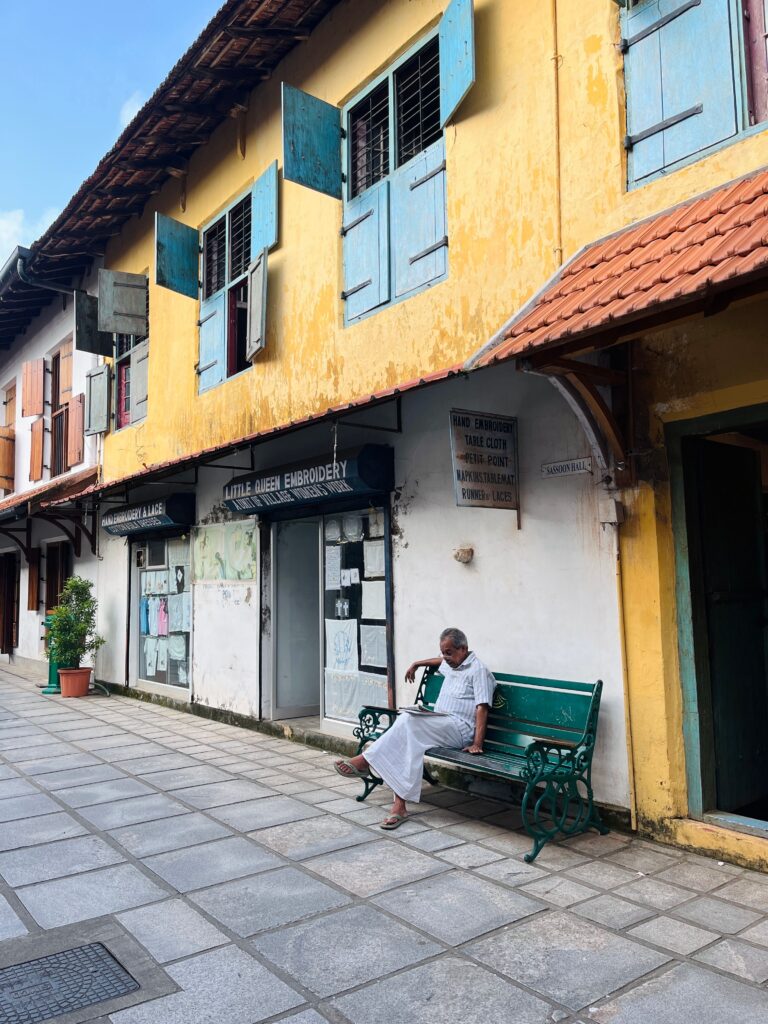
Ernakulam is more modern and local, but Fort Kochi is where most travelers actually want to be: cafés, restaurants, churches, the waterfront and most of the places you’ll probably visit are all around you. It also means you’re not wasting time constantly going back and forth across the city.
Backpacker: The Hosteller Fort Kochi Ocean Edge
This is where I stayed, and I ended up spending a huge part of my almost three months in Kochi here.
It’s a good choice if you’re traveling solo and actually want to meet people instead of staying somewhere completely anonymous. The location also makes it easy to explore Fort Kochi on foot.
→ Book here: the Hosteller Fort Kochi Ocean Edge here
Budget: Dutch Manor Boutique Hotel
If you want something more private but still affordable, Dutch Manor Boutique Hotel is a good budget option in Kochi.
It works well if you want to stay somewhere comfortable without paying mid-range hotel prices.
→ Book here: Dutch Manor Boutique Hotel here
Mid-Range: Fragrant Nature Kochi
Fragrant Nature Kochi is a better fit if you want more comfort and hotel facilities while still being well placed for exploring Kochi.
It’s the option I’d look at if you want something nicer than a basic budget stay without jumping straight into luxury prices.
→ Book here: Fragrant Nature Kochi here
Luxury: Forte Kochi
Forte Kochi is right in Fort Kochi and makes the most sense if you want a higher-end stay without giving up the location.
You’re still close to the main streets, restaurants and waterfront, so you get the convenience of staying in the middle of Fort Kochi with a much more upscale hotel experience.
→ Book here: Forte Kochi here
If you want more options, I have a separate guide comparing where to stay around Kochi in much more detail.
Read the full guide here: Best Hotels in Kochi: Options for Every Budget
Best Things to Do in Kochi
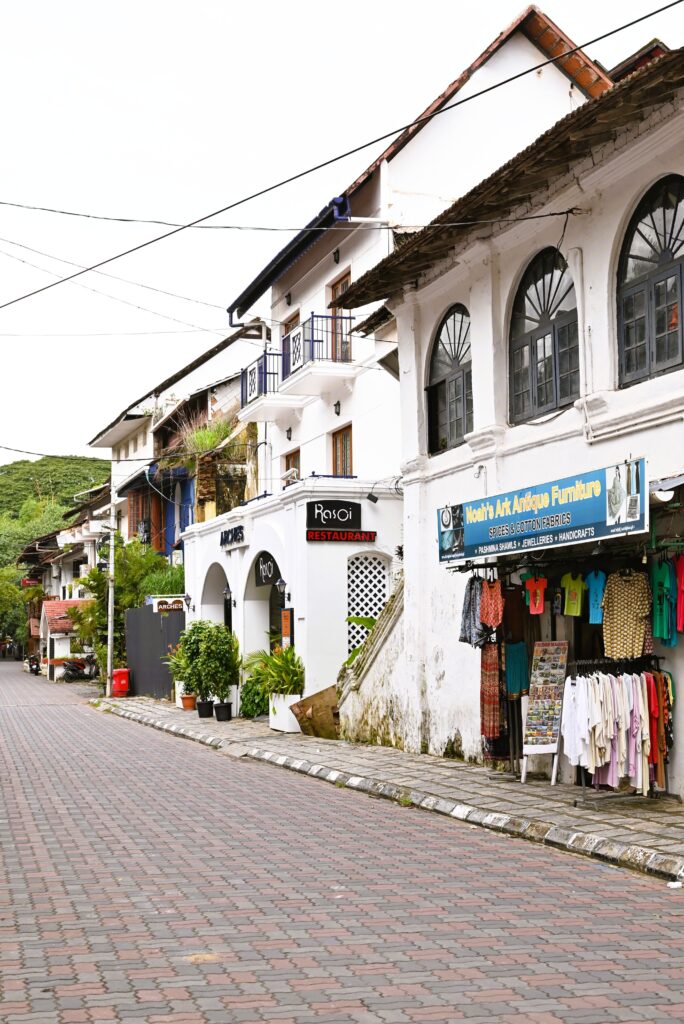
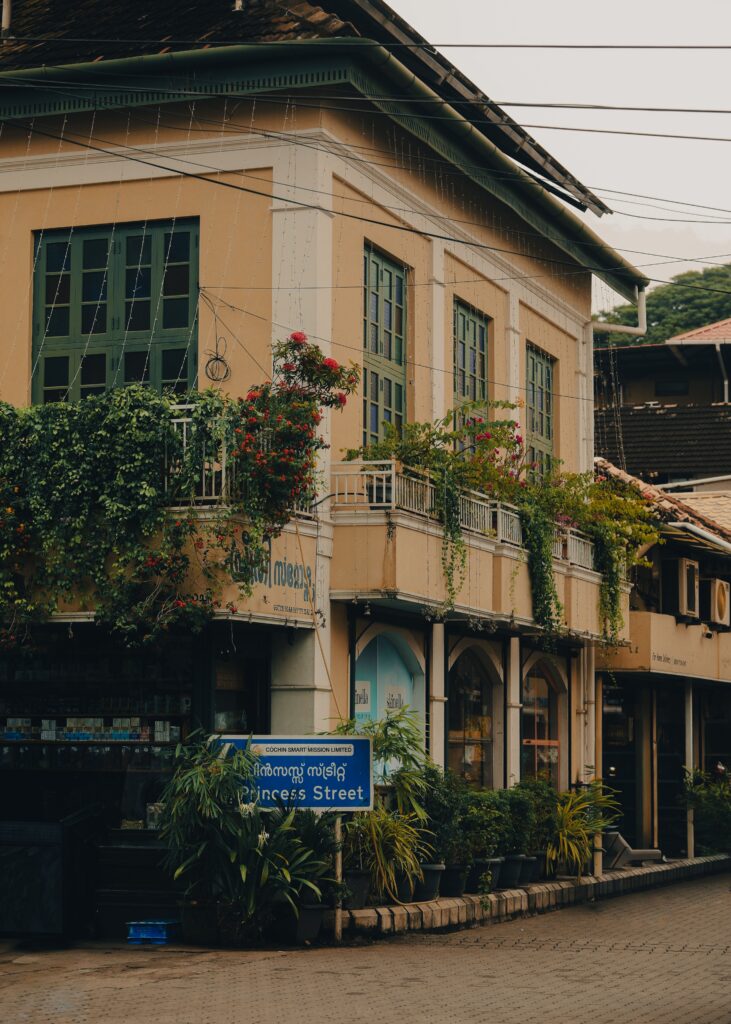
Kochi isn’t really about racing through a giant list of attractions. A lot of what I loved was just spending time around Fort Kochi, walking, eating, taking ferries and letting the day happen without planning every second.
Some of my favorite things to do were:
- walking around Princess Street
- seeing the Chinese fishing nets
- exploring Jew Town and the spice markets
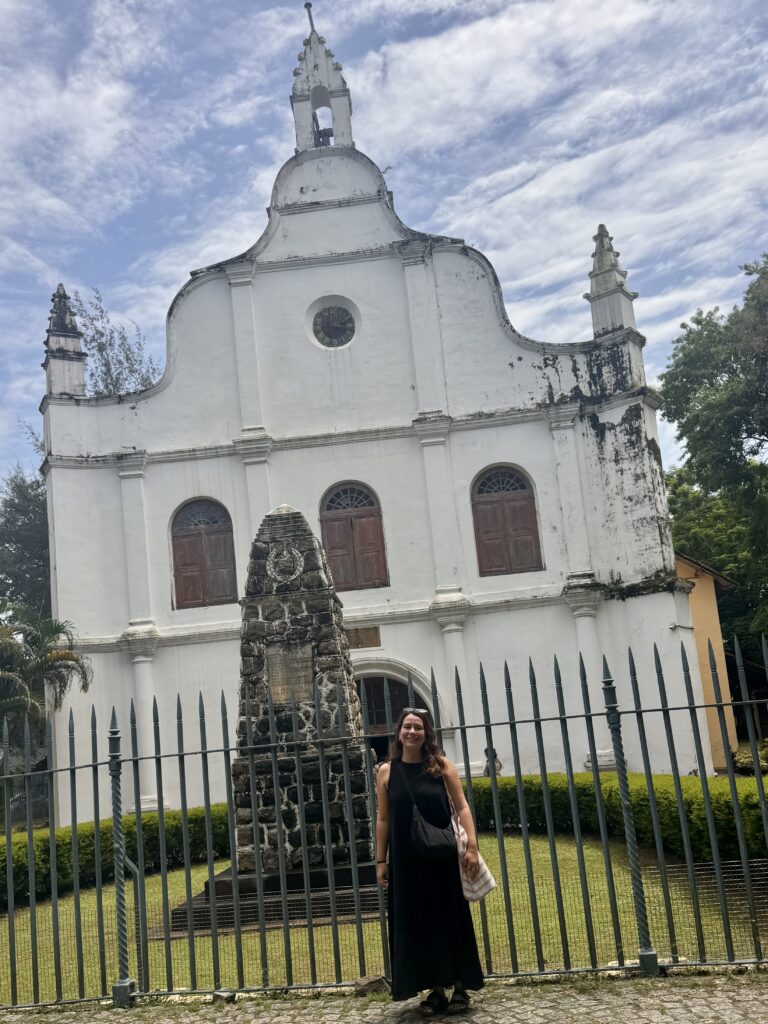
- visiting the churches around Fort Kochi
- taking the Water Metro and local ferries
- watching a Kathakali performance
- café hopping
- and honestly just wandering around without much of a plan
I spent almost three months in Kochi, so I have a separate guide with all the places I actually liked, including cafés, sunset spots and the things I think are genuinely worth your time.
Read my full guide here: Things To Do In Kochi | From Someone Who Spent 3 Months There
Best day trips from Kochi
One of the best things about staying in Kochi longer is how easy it is to use it as a base for seeing more of Kerala. And Kerala changes ridiculously fast once you leave the city — backwaters, tea plantations, waterfalls, villages, completely different scenery.
Alleppey and the Kerala Backwaters
If there’s one day trip I would prioritize from Kochi, it’s Alleppey and the backwaters.
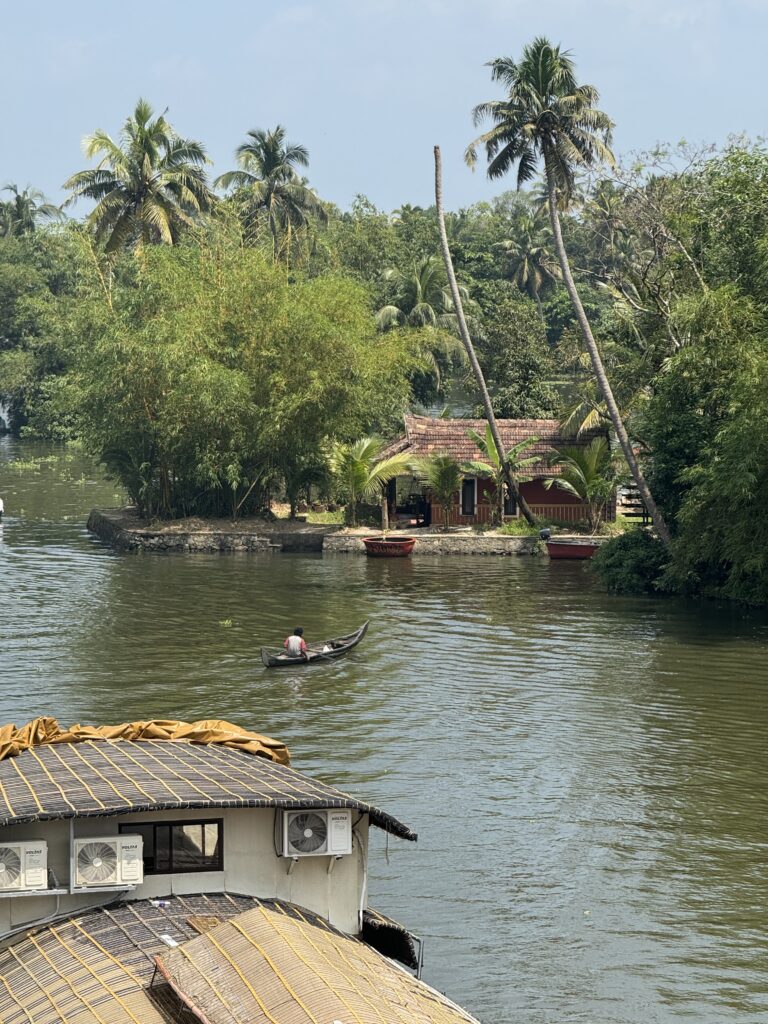
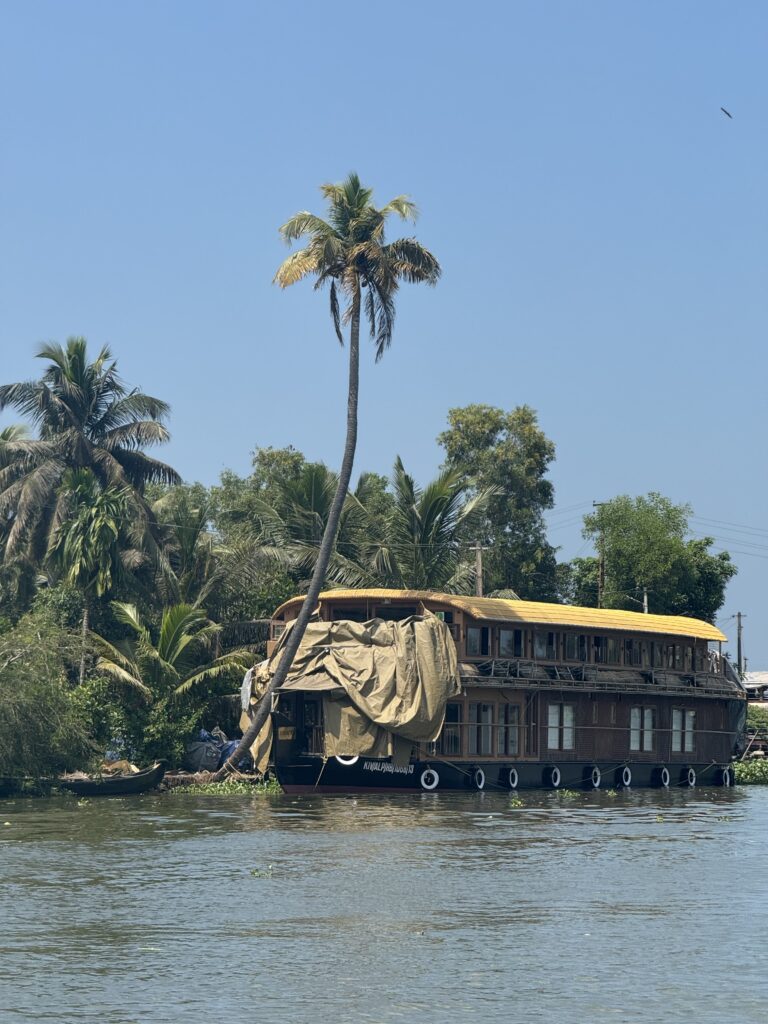
This is the Kerala you’ve probably seen online a hundred times already: houseboats, canals, palm trees, tiny villages and that very calm scenery.
And yes — it really does look like that in real life.
You can either visit on a day trip or stay overnight on a houseboat. I stayed overnight myself and I’d definitely recommend doing that once if your budget allows it, because waking up surrounded by the backwaters was one of those experiences that actually lived up to the hype.
→ Book here: Kochi Alleppey overnight houseboat with meals
→ Book here: Kochi backwater village exploration tour
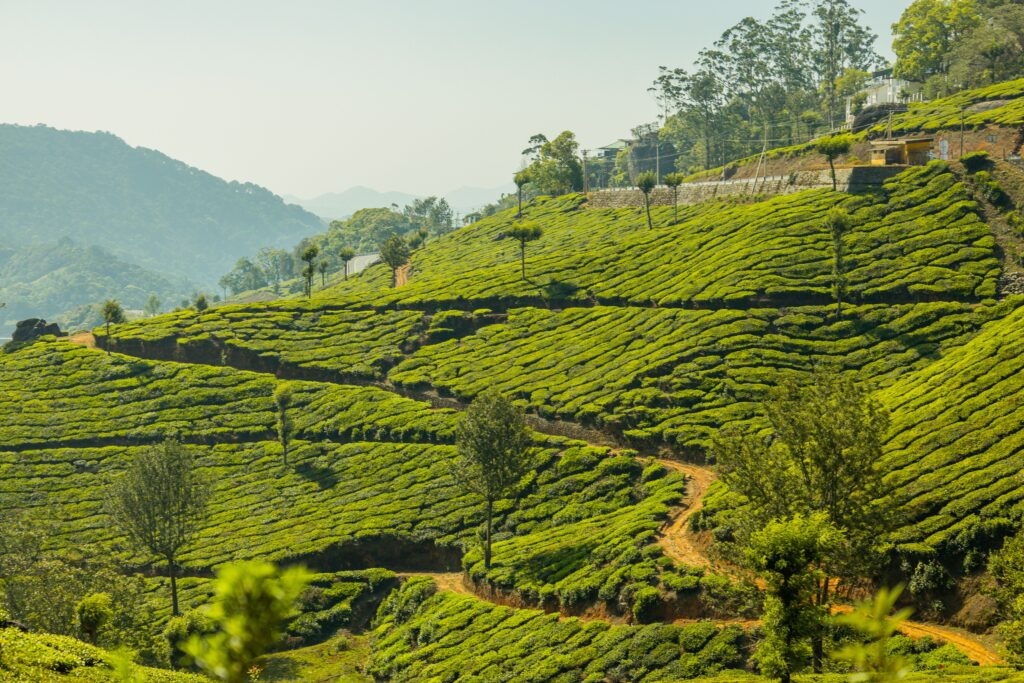
Munnar
Munnar feels completely different from Kochi.
You go from heat, humidity and the coast to tea plantations, mountains, waterfalls, mist and much cooler weather.
I personally wouldn’t treat Munnar as a rushed day trip. If you’re going all the way there, I think it deserves at least 2–3 days so you actually have time to enjoy it instead of just arriving, taking photos and leaving again.
→ Book here: 4 day private tour of Munnar, Alleppey & Backwaters
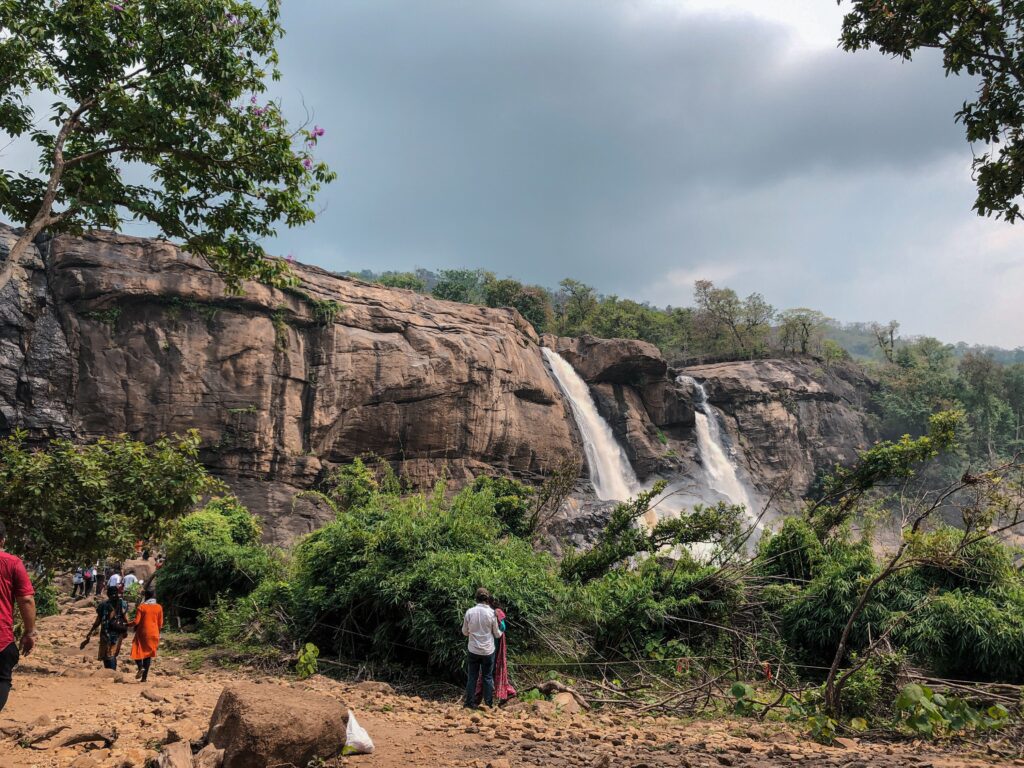
Atthirappilly Waterfalls
Athirappilly is one of the easiest nature escapes from Kochi.
People call it the “Niagara Falls of India,” which is slightly dramatic, but the waterfalls are genuinely impressive.
If you want a break from cafés and city streets and would rather spend the day around waterfalls and nature, this is probably the easiest option.
→ Book here: Athirappilly Waterfalls day trip from Kochi
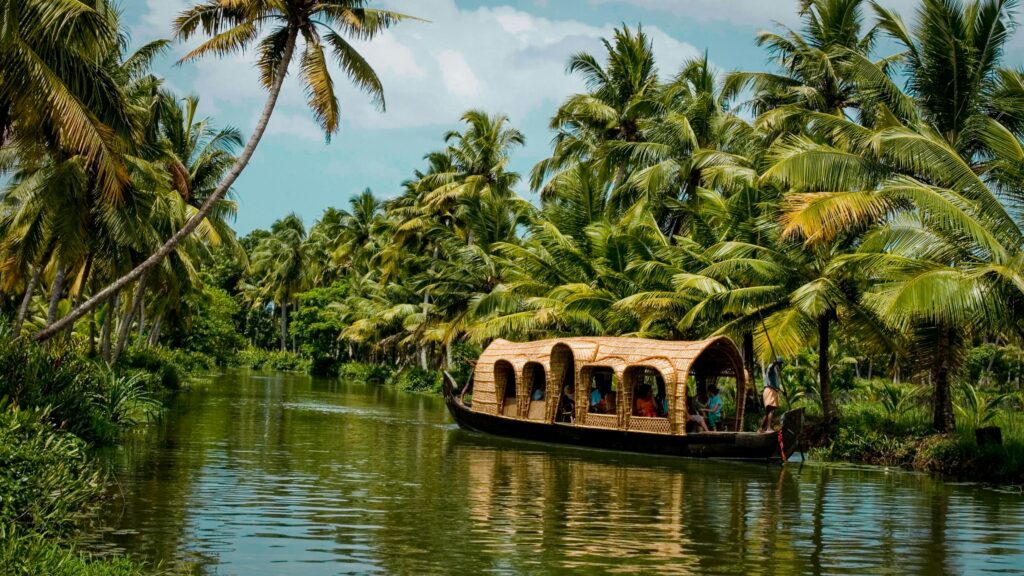
Smaller Backwater village Tours
If an overnight houseboat feels too expensive or too touristy, the smaller backwater village tours are a really good alternative.
These usually take you through smaller canals, villages, coconut farms and quieter parts of Kerala rather than keeping you on one of the larger houseboats.
I actually think this type of experience can feel more local and less like a packaged tourist activity.
→ Book here: Kochi backwater exploration village tour
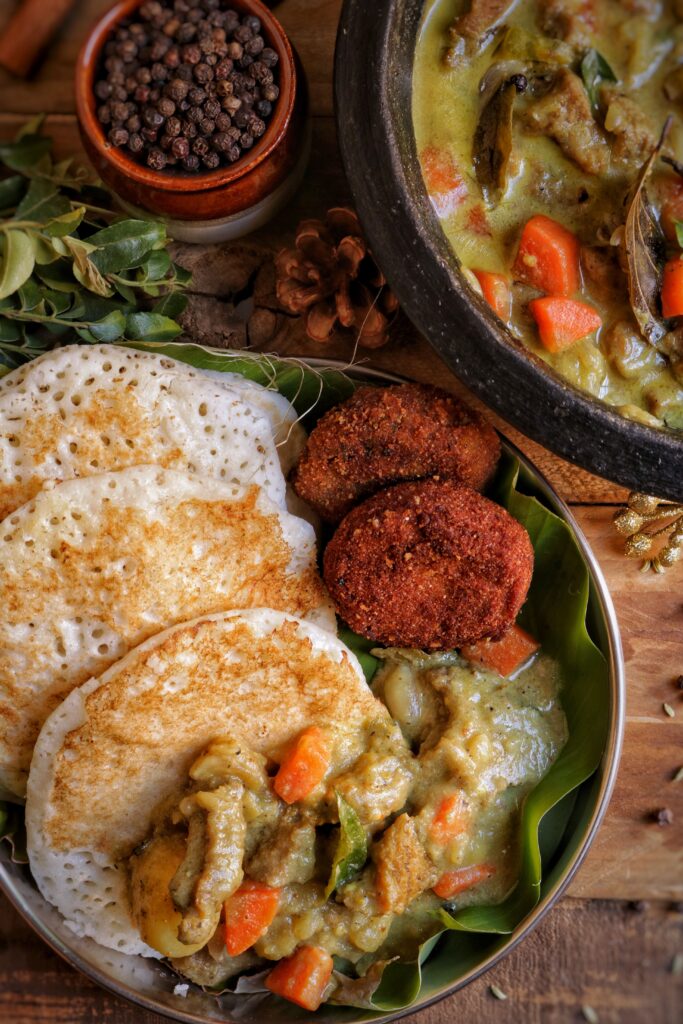
What to Eat in Kochi
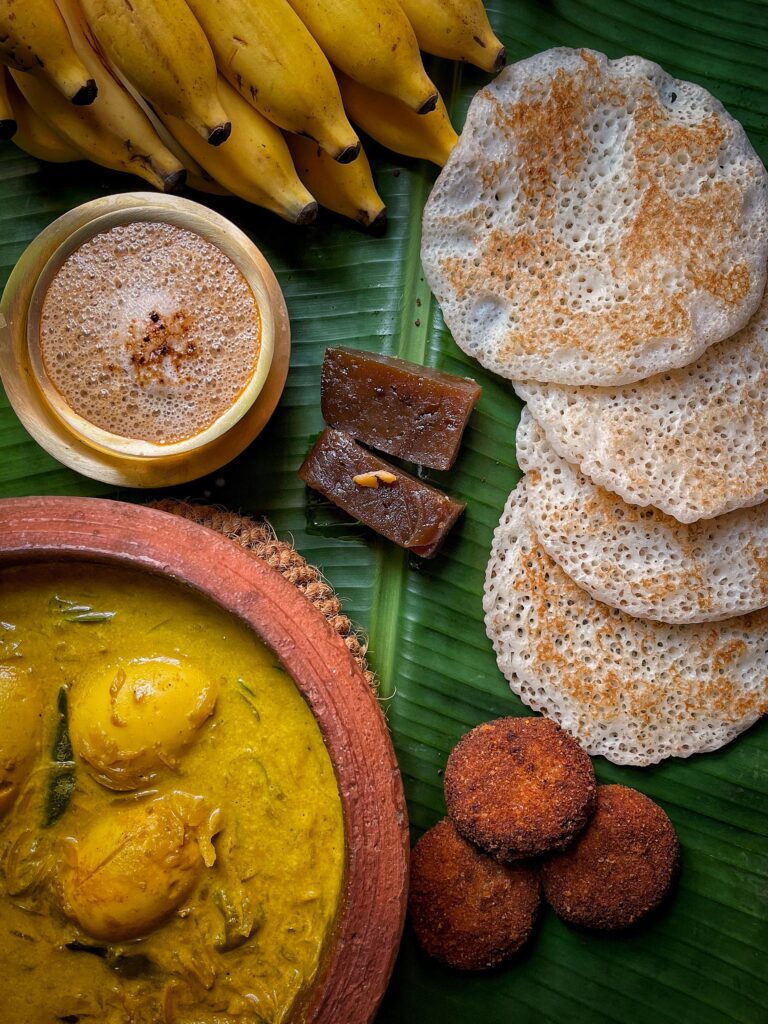
Kerala food is very different from what a lot of people imagine when they think of Indian food. There’s a lot more coconut, seafood is everywhere, and some of the best food I had during my six months in India was in Kerala.
These are some of the things I’d actually make sure to try:
Kerala Sadya
A traditional Kerala meal served on a banana leaf with rice, curries, pickles and loads of different sides. It’s one of those meals where you think you’re finished and somehow more food keeps appearing.
Appam & Stew
One of my favorite breakfasts in Kerala. Appam is soft and slightly fluffy, and it’s usually served with a vegetable or chicken stew.
Kerala Parotta & Beef Fry
One of the most iconic combinations in Kerala and easily one of my favorites. Flaky parotta with spicy beef fry or beef roast became one of my comfort meals while I was there.
Fish Curry
Kochi is a coastal city, so seafood is everywhere. Fish curry with rice became another one of those meals I kept going back to.
Fried Fish
You’ll see fresh fish all over Fort Kochi, and plenty of local restaurants will cook it fresh for you.
Biryani
Kerala-style biryani is different from what you’ll find in northern India and definitely worth trying while you’re here.
Banana Chips
At some point you WILL get addicted to Kerala banana chips. There’s really no escaping it.
Best Cafés in Fort Kochi
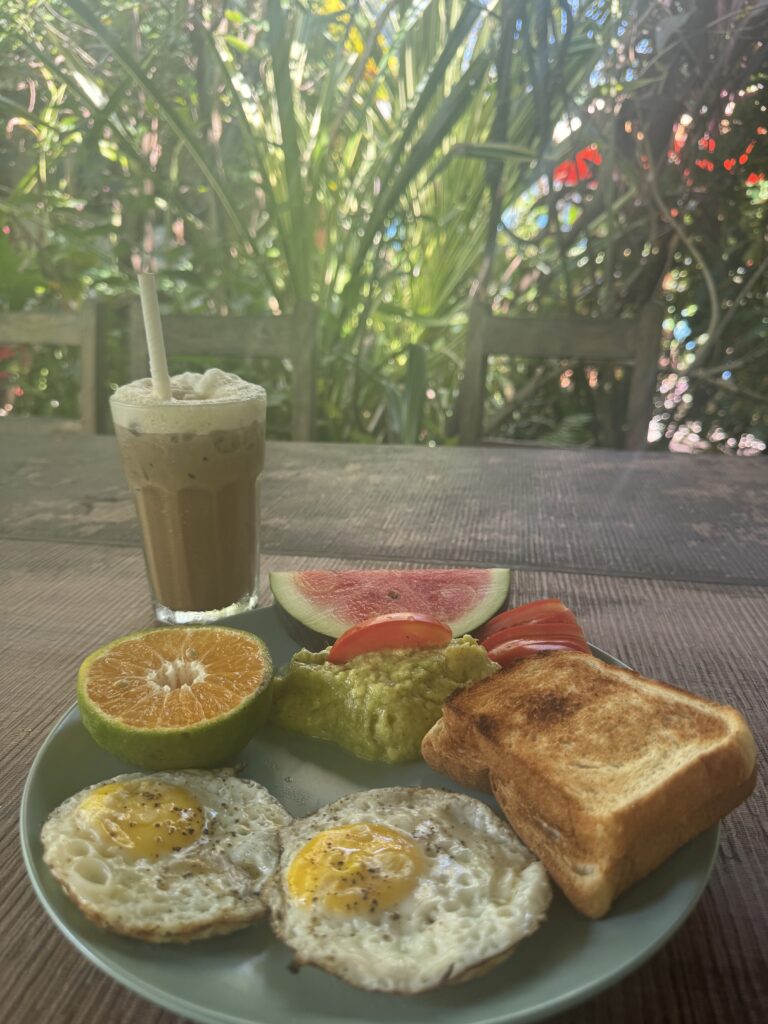
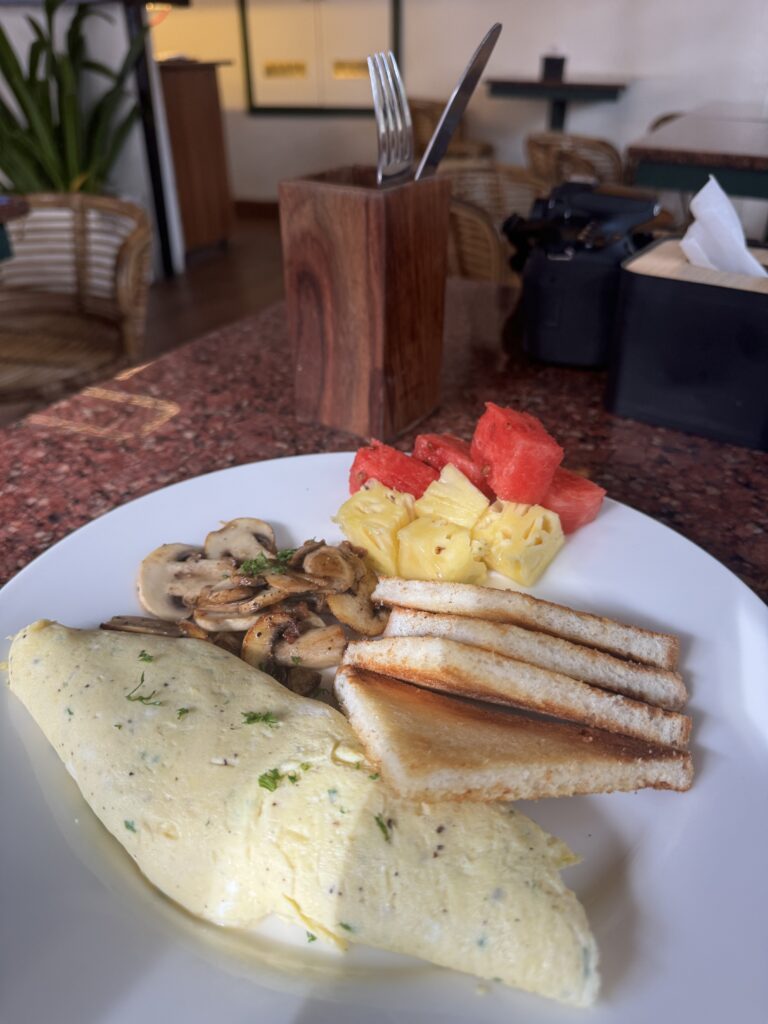
I spent a ridiculous amount of time in cafés during my three months in Fort Kochi, so these are the ones I’d actually go back to.
Kashi Art Cafe — probably the most famous café in Fort Kochi, but still worth going at least once. It has that very artsy Fort Kochi feel and is always busy.
Kochi Kapital Kafe — one of my personal favorites. Smaller and calmer than Kashi, and their western-style breakfasts were really good.
French Toast Cafe — a good breakfast or brunch option and somewhere you can actually sit for a while without feeling rushed.
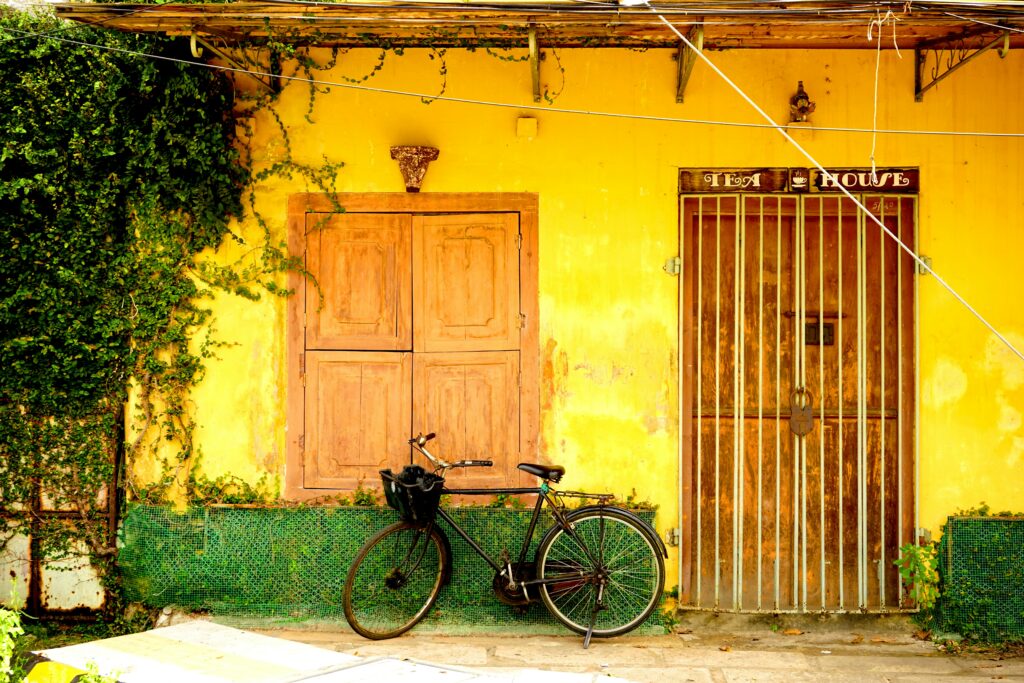
Tea Pot Cafe — much more old-school Fort Kochi. It’s inside a heritage-style building and has a very relaxed atmosphere.
Club House — one of my favorite more modern places in Fort Kochi. Their beef steak and fish and chips were DELICIOUS.
Is Kochi Safe?
In my experience, yes. Kochi was one of the easiest and most comfortable places I visited during my six months traveling around India.
Food Safety
A few basic precautions are still worth taking:
Don’t drink the tap water. Stick to bottled or filtered water, and check the seal before drinking.
Be careful with ice and raw food. Especially at the beginning of your trip, I’d avoid anything that may have been washed in tap water unless you trust the place.
Eat where it’s busy. High turnover usually means fresher food. For street food, I’d choose stalls cooking everything fresh in front of you rather than food that has been sitting around.
Give your stomach time to adjust. Indian food can be a big change if you’re not used to the spice levels or ingredients, so I wouldn’t go completely wild on day one.
Is Kochi Safe for Solo Female Travelers?
As a woman traveling alone, Kochi was one of the places in India where I felt most relaxed.
I walked around alone during the day, went out at night, used autos and ferries by myself and generally felt very comfortable. I also didn’t experience the level of constant unwanted attention I had been warned about before coming to India.
That doesn’t mean nothing uncomfortable ever happened. Most of the few situations I disliked happened around the late-night bar scene rather than during normal day-to-day travel.
I have a separate post where I go into much more detail about what I experienced, what I wore, daytime versus nighttime safety and the situations that actually made me uncomfortable.
Read the full guide here: Is Kochi safe for women traveling alone?
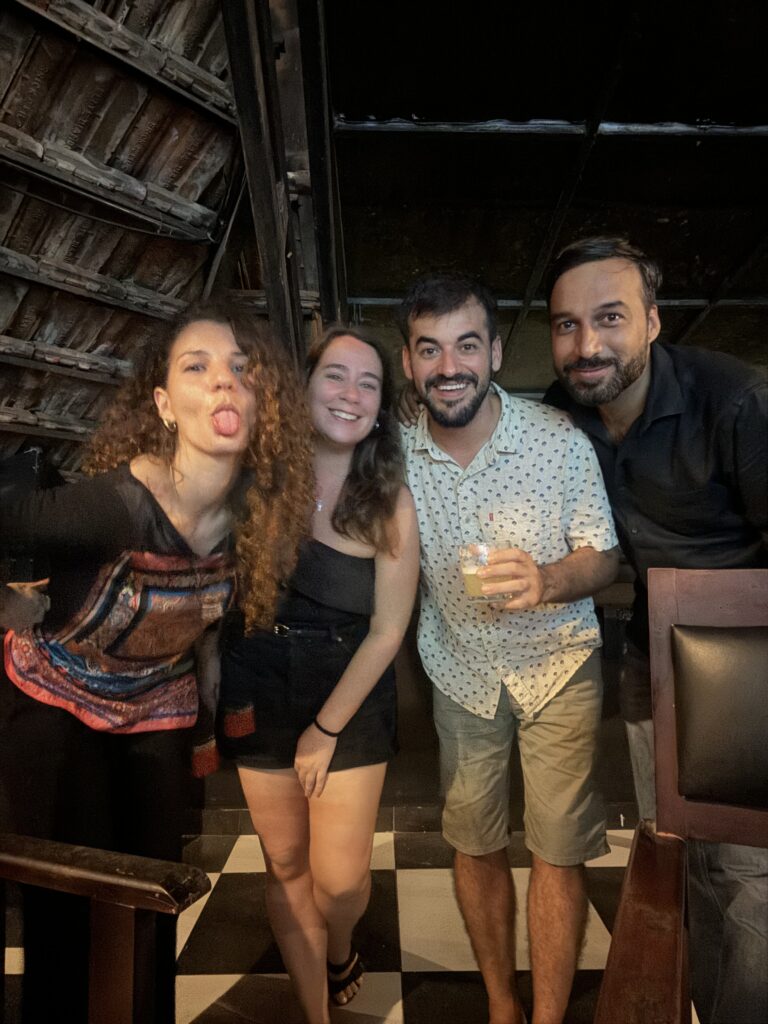
What to Wear in Kochi as a Woman
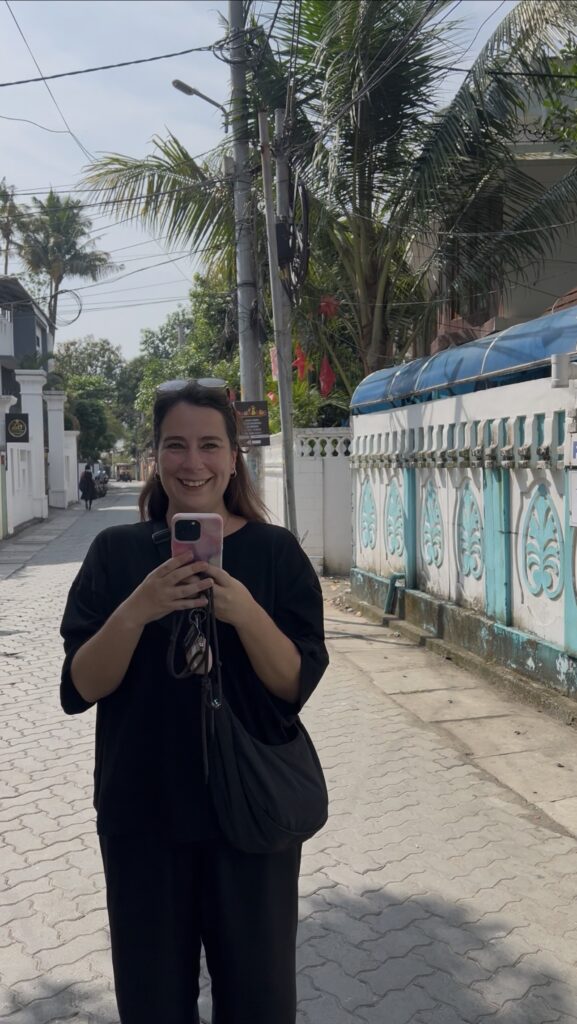
Kochi — and Fort Kochi especially — is much more relaxed than many people expect when it comes to clothing.
I wore shorts, tops and dresses and never had a problem or felt uncomfortable. Fort Kochi is very used to international travelers, so western clothing is completely normal there.
The one thing I would carry is a light scarf or shawl. It’s useful for temples, churches and other religious sites where covering your shoulders or dressing more modestly may be expected.
My rule was simple: dress for the heat and wear what you’re comfortable in, but keep something in your bag that you can throw over your shoulders when needed.
Best Time to Visit Kochi
October to February is the best time to visit Kochi. The weather is cooler, drier and much easier for walking around Fort Kochi without feeling destroyed by the heat and humidity.
March to May gets much hotter and more humid. You can still visit, and accommodation is often cheaper, but I’d plan slower days and expect to spend a lot more time escaping into cafés and air-conditioned places.
June to September is monsoon season. Kerala gets heavy rain during these months, so sightseeing can be more unpredictable, but everything is incredibly green and prices are usually lower.
Festivals and Events
The Kochi-Muziris Biennale is one of the biggest contemporary art events in India and takes place every two years, usually between December and March.
Christmas is also a big deal in Kochi. Fort Kochi gets heavily decorated and December has a completely different atmosphere, but it is also one of the busiest and more expensive times to visit.
Read my guide: The Best Time to Visit Kochi (And When I’d Go Again) 2026
Practical Tips for Visiting Kochi
Don’t Visit Kochi in a Rush
Kochi is not really a place where you race through a checklist and leave.
A lot of what I loved about Fort Kochi was the slower stuff: sitting in cafés for way too long, wandering around without much of a plan, taking ferries and just letting the day happen.
If you rush it, you’ll probably see the main attractions but miss a lot of what actually makes the place enjoyable.
Stay in Fort Kochi
For a first trip, I would stay in Fort Kochi rather than Ernakulam.
Most of the cafés, restaurants and places you’ll want to visit are much closer, and you can do a lot on foot. Staying in Ernakulam means relying much more on ferries, the Water Metro, autos or taxis just to get back and forth.
Bring Mosquito Repellent
The mosquitoes in Kochi are relentless, especially around sunset.
Buy repellent as soon as you arrive and use it constantly. This is not optional advice from me.
Don’t Drink the Tap Water
Stick to bottled or filtered water, including for brushing your teeth if you want to be extra careful.
Give Your Stomach Time to Adjust
Indian food is incredible, but I wouldn’t make your first day a competition to see how much spice your body can survive.
Start a little slower and then get more adventurous once you know how your stomach is handling everything.
Local Etiquette
Eating with your hands is completely normal in India, but nobody in Kochi is going to care if you use cutlery instead.
Fort Kochi is very used to international travelers, so you don’t need to overthink every little thing.
Watch Out for Auto-Rickshaw “City Tours”
Kochi was actually one of the places where I dealt with very few scams.
The main one I personally came across was the cheap auto-rickshaw sightseeing tour.
The driver will genuinely take you around the main places, but there’s usually a catch: they may stop at a few so-called “government shops,” which are basically souvenir or spice stores where drivers can get fuel vouchers or commission for bringing tourists.
My driver literally told me:
“Just go inside, look around, say thank you, and leave.”
And that’s exactly what I did.
You absolutely do not have to buy anything.
FAQs About Visiting Kochi
Is Fort Kochi walkable?
Yes. Most cafés, restaurants and main attractions are close enough to reach on foot, and I spent most of my time there walking.
Is Kochi expensive?
Not really. Food, accommodation and transport are all very affordable compared to Europe or North America, and Kochi works well for both backpacker and mid-range budgets.
Is Fort Kochi touristy?
Yes, but that’s also part of why it works so well for first-time visitors. It’s tourist-friendly and easy to navigate without feeling completely disconnected from local life.
What is Kochi known for?
Kochi is best known for the Chinese fishing nets, spice trade history, colonial architecture, Kathakali, cafés, seafood and the much slower atmosphere of Fort Kochi.
Is Kochi a good first stop in India?
Absolutely. If India feels intimidating, Kochi is one of the easiest places to start because it’s calmer, easier to navigate and far less overwhelming than cities like Delhi or Mumbai.
Final Thoughts on Kochi Guide
Kochi completely caught me off guard. I arrived expecting chaos and culture shock, planned to stay for four days, and somehow ended up there for almost three months.
It became one of my favorite places in India because it gave me something I wasn’t expecting at all: a place where I could actually slow down and feel comfortable instead of constantly trying to figure everything out.
If you’re visiting India for the first time, traveling solo, or just want a softer introduction to the country, Kochi is one of the places I’d recommend the most.
It won’t be for everyone. If you want big nightlife and nonstop action, you’ll probably find Fort Kochi too quiet.
But if you want somewhere calm, easy, full of good food and ridiculously easy to settle into, Kochi is very hard to leave.
I know because I tried.
Read my other Kochi Guides
Is Kochi worth visiting? My honest review in 2026
Is Kochi safe for women traveling alone?
Things to do in Kochi | From someone who spent 3 months there
One day trip to Kochi | How to spend the perfect 24h in Kochi
Is Kerala the best place for solo travel in India?
Perfect 3 days Kochi itinerary for first-time visitors
The 4 Best Hostels in Kochi, India
How Many Days in Kochi Do You Really Need? My Honest Recommendation
The Hosteller Fort Kochi Ocean Edge Review: My Experience Staying for 3 Months
How a Random 4-Day Stop in Kochi Became an Entire Chapter of My Life
The Best Time to Visit Kochi (And When I’d Go Again) 2026
Disclosure: Some posts on this blog contain affiliate links. If you make a booking through one of my links, I may earn a small comission - at no extra cost to you. Thank you for helping me keep my dream alive!




2 Comments
Joy raj
you can purchase a cohin metro day card and it can use unlimited trip in cochin metro for a day.Did you visited Thenmala eccoturism? Thenmala dam on the top dam very beautiful, also near punaloor road a check dam there,punaloor british hanging bridge,jatayu rock and wold first biggest bird sculpture,ponmudi, palaruvi water falls,kulathoopuzha temple fish lake,deer park,forest museum,oil palm plantation,theak plantation, tea plantation, rose mala islands, chenkottai rock temple all are beautiful places. All place are with in 60 kilometre radius You can visit all areas with in one day. Plan one day trip for natural wonders in kollam
Rita
That is great advice! Hope it helps other people reading this blog post and planning a trip to kochi