Ometepe Travel Guide: Everything You Need to Know Before You Go
Ometepe was my first stop in Nicaragua, and I knew almost immediately that I had messed up by giving it so little time.
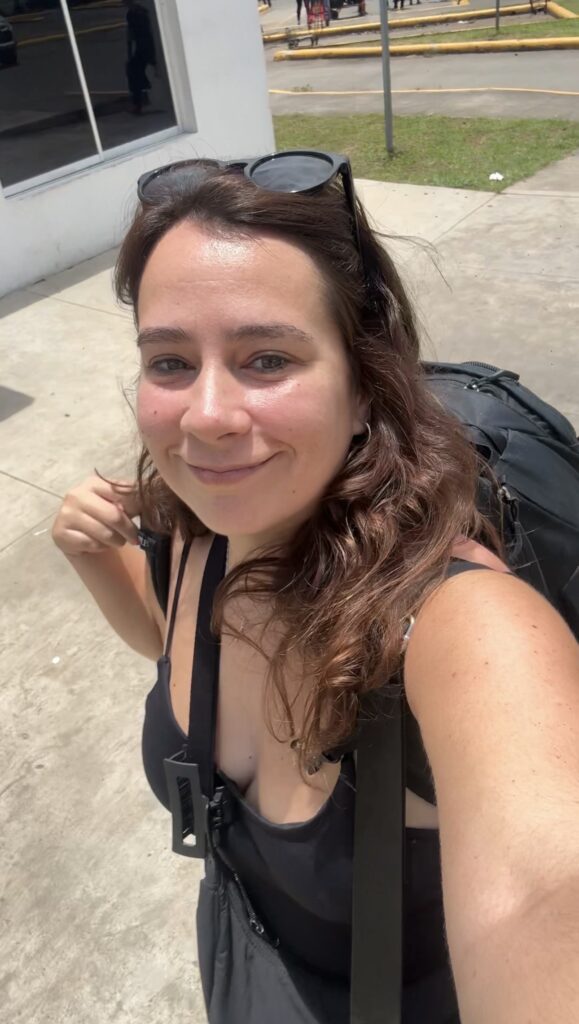
I was traveling through all eight countries in Central America by land with a friend, and Nicaragua was already starting to feel completely different from Costa Rica. Then we arrived on Ometepe, got off the ferry in Moyogalpa, rented bikes and basically started exploring without much of a plan.
That ended up being one of my favorite stops of the entire trip, but it also meant I left knowing I hadn’t really seen the island properly.
So this Ometepe travel guide is the overview I wish I’d had before going. I’m keeping the individual topics relatively short here because I’ve already written much more detailed guides about where to stay, how many days you need, the best time to visit, things to do, safety and how I’d plan an itinerary. I’ll send you to those posts when you need the full version instead of making you read the same thing six times.
Ometepe Travel Guide: Quick Answer
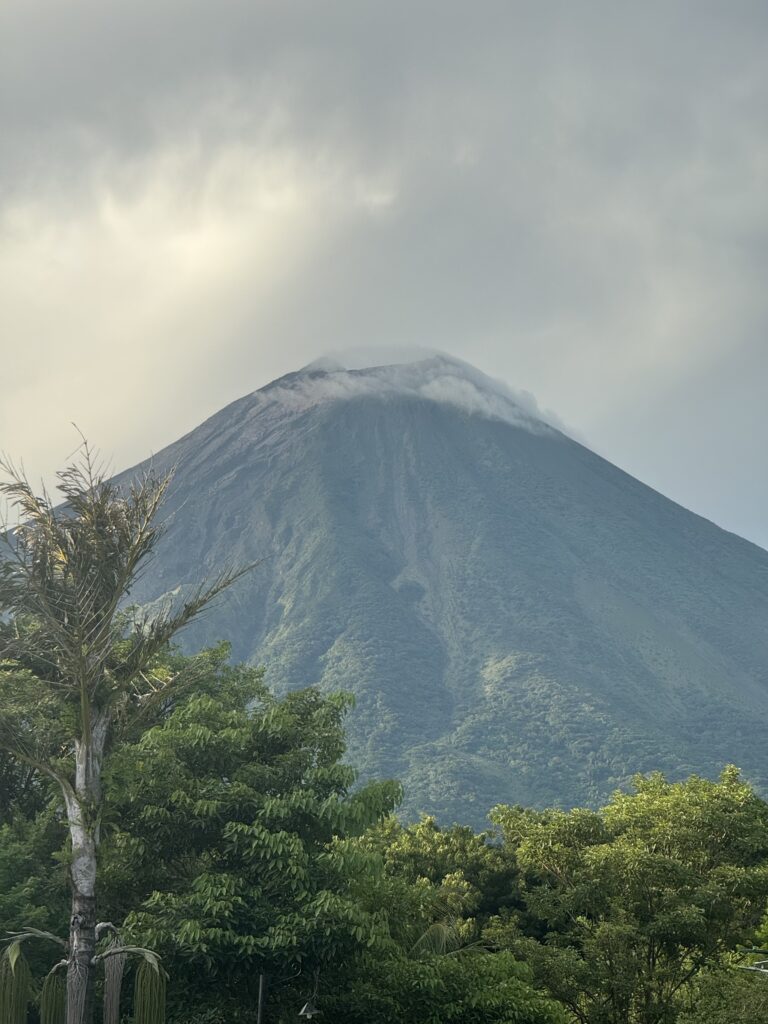
Ometepe is a large island in Lake Nicaragua formed by two volcanoes, Concepción and Maderas. It isn’t somewhere I’d visit just to spend a few hours seeing the main sights and leaving.
The best way to experience it is to give yourself enough time to actually move around the island, spend some time by the lake, eat locally, explore the smaller communities and decide what you actually want to do rather than trying to cram everything into one day.
For a first trip, I’d give Ometepe at least two full days, with three being much better. If you want to hike a volcano as well, I’d add another day.
→ Read my full guide: How Many Days in Ometepe?
Where Is Ometepe?
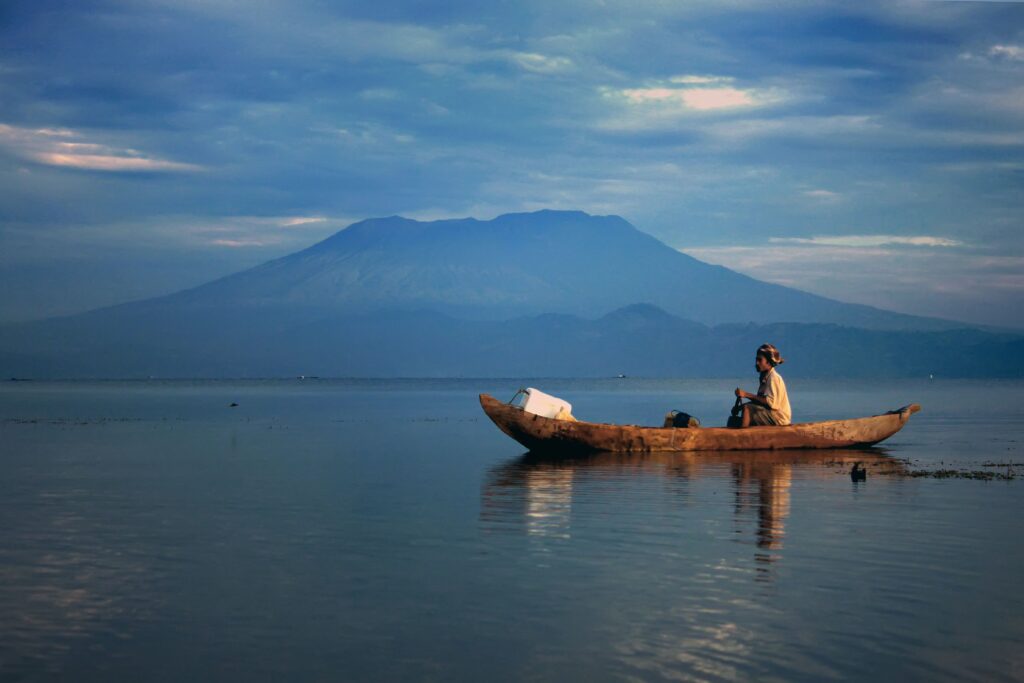
Ometepe is in Lake Nicaragua, in the Rivas region of Nicaragua.
The island is much bigger than it looks when you’re looking at it on a map. The two volcanoes dominate the landscape, and the different parts of the island feel quite different from each other.
Moyogalpa is the main arrival point for most travelers coming by ferry and is where I stayed. Other areas you’ll come across when planning your trip include Altagracia, Balgüe, Santa Cruz, Playa Santo Domingo and Mérida.
That matters because I wouldn’t choose where to stay until I knew what kind of trip I was actually planning. Staying near the ferry and staying on the Maderas side can give you two very different experiences.
How to Get to Ometepe
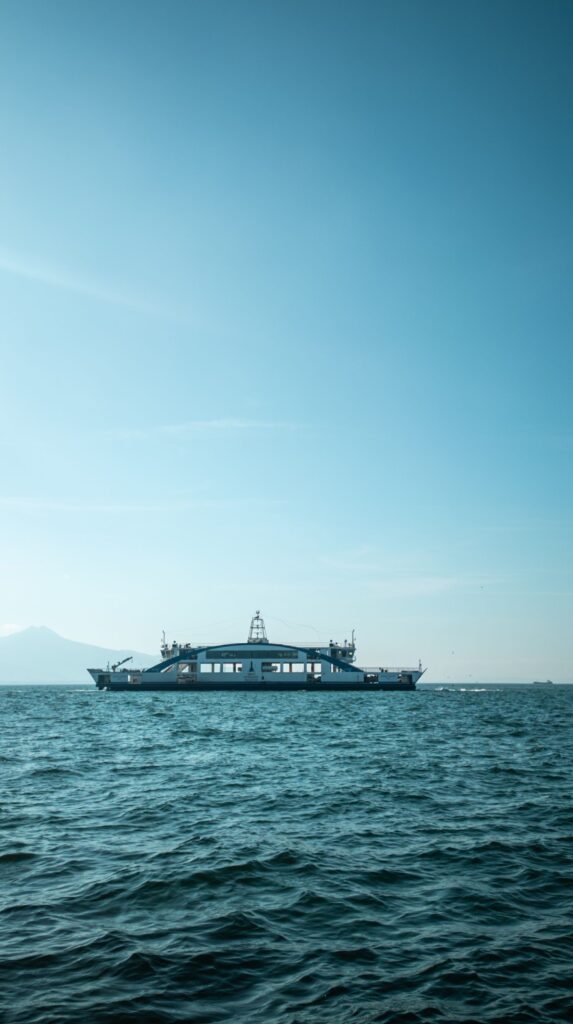
For most travelers, getting to Ometepe means getting to Puerto San Jorge near Rivas and taking a ferry or smaller passenger boat across Lake Nicaragua. Most of the main ferries arrive in Moyogalpa, although San José del Sur is another option. The crossing to Moyogalpa is roughly an hour to a little over an hour depending on the boat and conditions.
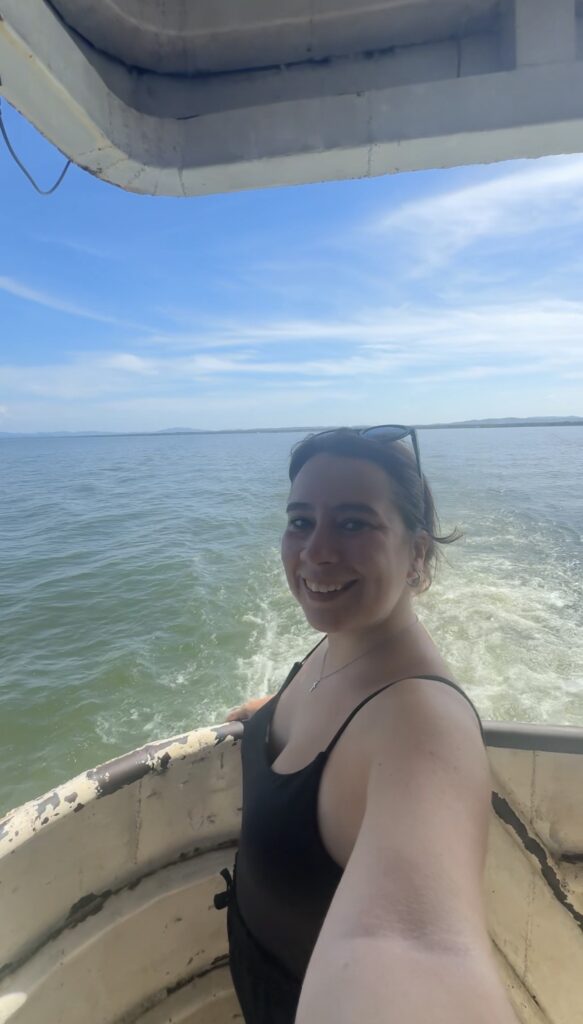
I arrived in Ometepe by ferry during my Central America overland trip, and I actually loved the crossing. It felt like a proper arrival in Nicaragua rather than just getting off another bus.
Current passenger fares are around C$50 per person each way, but schedules and prices can change, so I’d check the current ferry information before you go rather than relying on a timetable you found months earlier.
If you’re traveling as a foot passenger, you can generally buy your ticket at the port. If you’re bringing a vehicle, the process is different and it’s worth arranging the space ahead of time.
And this is where my own experience matters: don’t plan your Ometepe departure too tightly.
When we were leaving, the ferry we wanted was already sold out. We ended up waiting around for roughly two or three hours for another one, which completely changed our plans for the rest of the day. We had originally wanted to continue on to Granada, but by the time we reached Rivas it was too late, so we stayed there instead.
If you have somewhere you absolutely need to be after Ometepe, give yourself a buffer.
→ Read my full post: Costa Rica to Nicaragua
Getting Around Ometepe
This is probably the biggest practical thing I’d think about before booking anything on Ometepe.
The island is not somewhere where you can just walk between all the places you want to see. You need to think about how you’re going to move around before deciding where to stay and what you want to do.
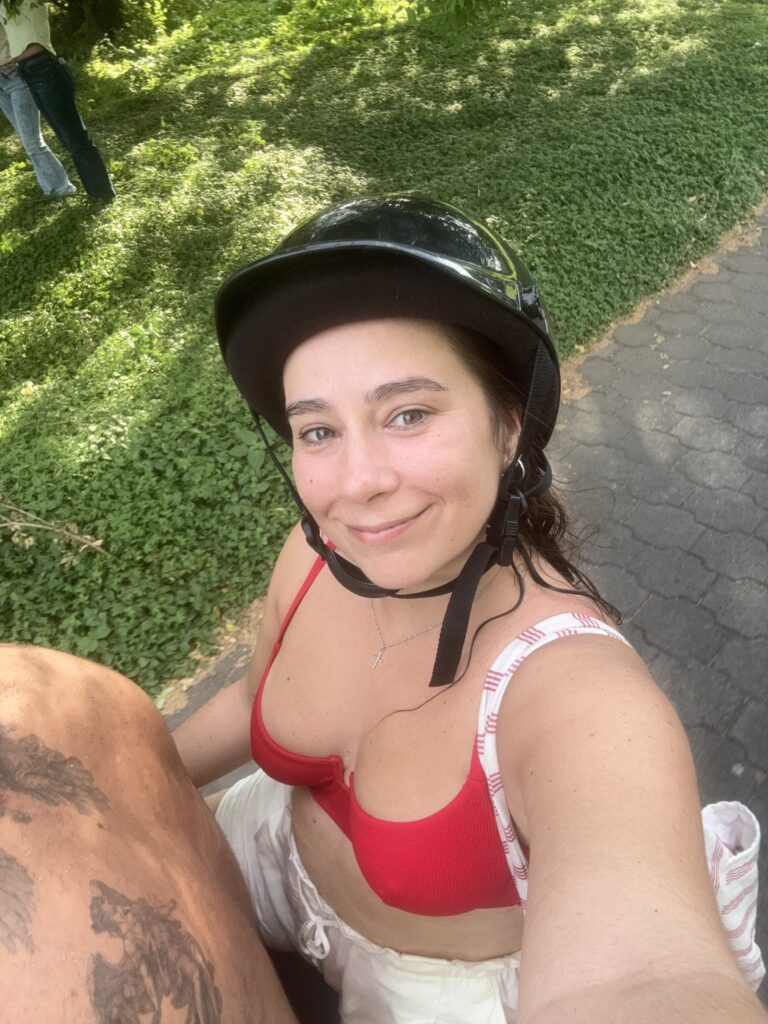
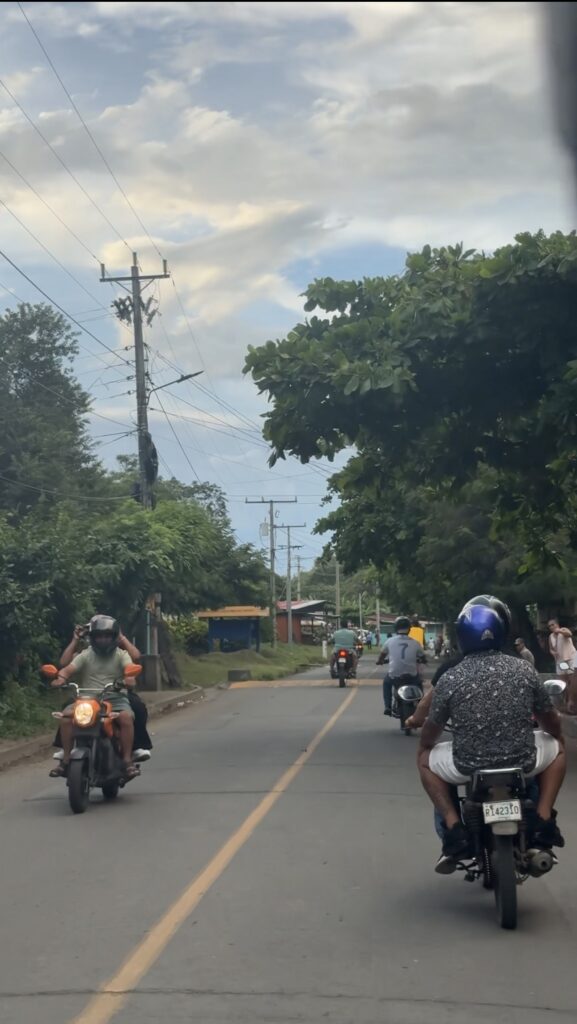
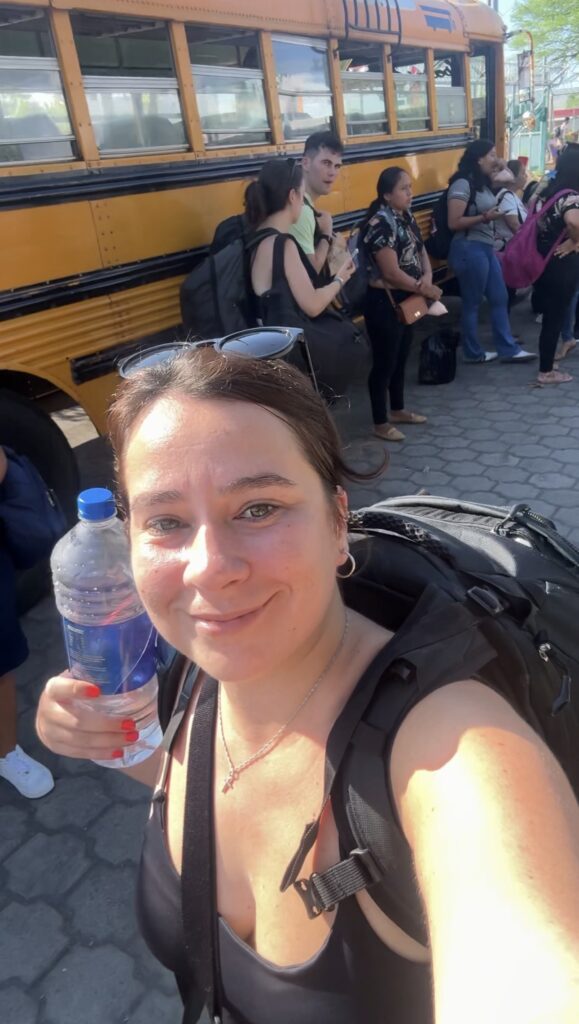
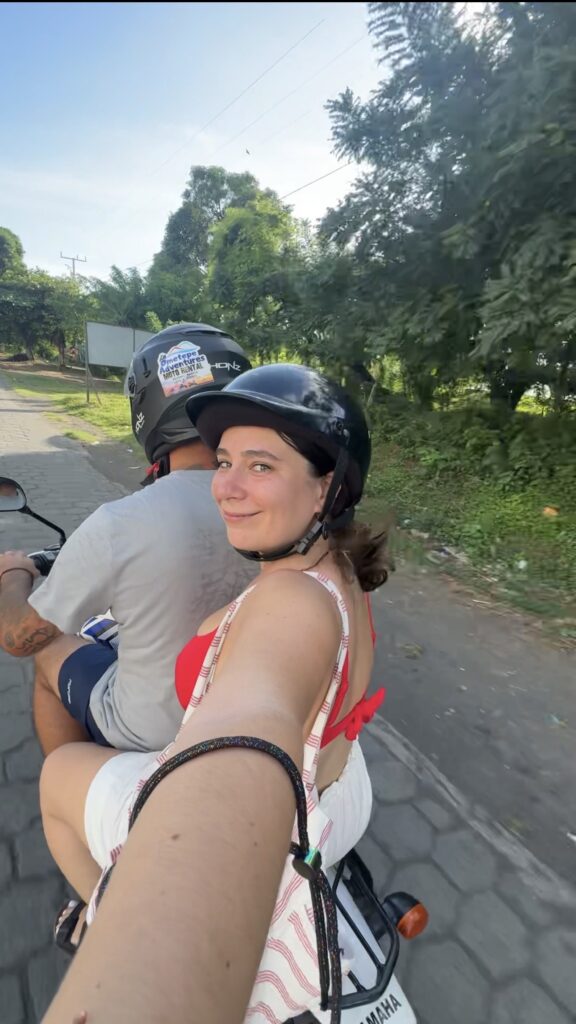
We rented bikes right outside the ferry port in Moyogalpa, which made exploring around the area incredibly easy for my friend.
I was the passenger princess because I can’t ride a bike, so I wasn’t exactly the person powering us around the island. That also made me realize how much your transport situation matters if you’re traveling alone or don’t have your own vehicle.
You can also look into ATVs, taxis and local transportation, depending on where you’re staying and what you’re doing.
If you’re not comfortable cycling or driving, I would not book somewhere in a remote part of the island and then assume you’ll figure everything out once you arrive. Look at the location of your accommodation and how you’ll get to the places you actually want to visit.
That’s one reason Moyogalpa worked so well for me. I could walk to restaurants, cafés, supermarkets and the port, and then worry about transportation when I actually wanted to explore further.
→ Find Bike & scooter rental here
Where to Stay on Ometepe
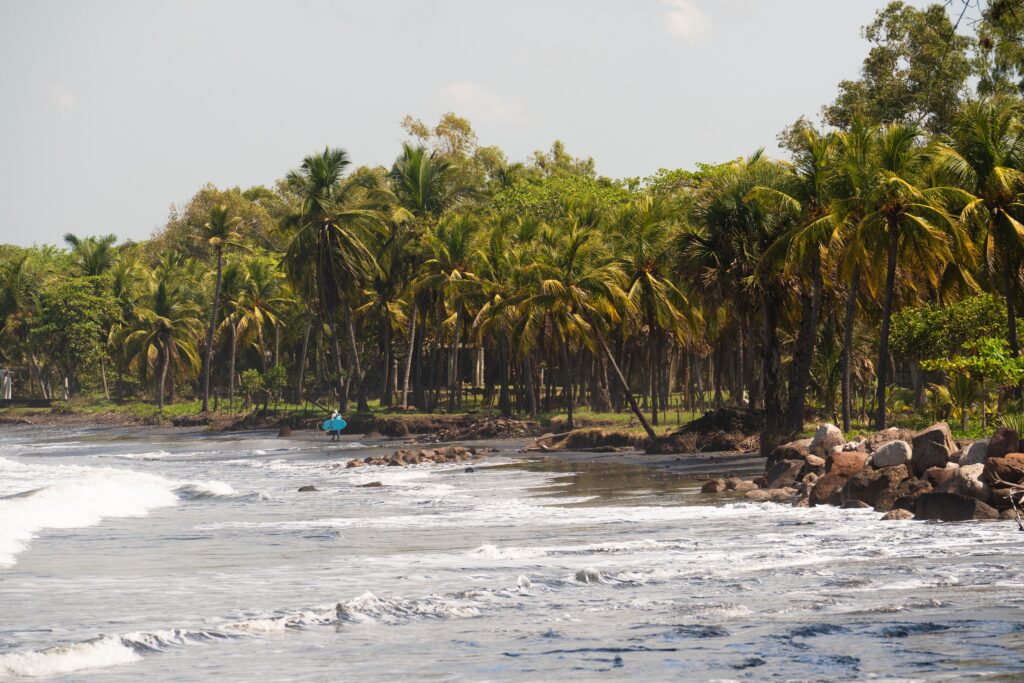
For a short trip, Moyogalpa is the easiest base for me personally because of the ferry connection and how much you can reach on foot.
That’s where I stayed, at Cocos Hostel, and my private room was around $12 total. It was huge, had three beds and a private bathroom, and the staff were lovely.
I wouldn’t automatically say everyone should stay in Moyogalpa, though. If you’re staying longer and want more of a lake, beach or rural experience, I’d look at other parts of the island.
→ Read my full guide: Where to Stay in Ometepe
→ Read my Cocos Hostel Ometepe Review
Money and Cash on Ometepe
I traveled around Ometepe as part of a very cheap backpacking trip, so money wasn’t something I was stressing about every five minutes.
But I would still arrive with cash rather than assuming you can use your card everywhere or just find an ATM whenever you need one. Nicaragua is heavily cash-based, and current travel information still recommends carrying cash for smaller businesses, transport and more rural parts of the country.
Moyogalpa has the most infrastructure, including places to get money and buy supplies, but ATM availability on the island can be limited or unreliable. I’d rather withdraw enough in Rivas or another larger stop before crossing than discover that the ATM isn’t working when I actually need cash.
Small notes are also useful for ferries, local transport, shops and inexpensive food.
Food and Supplies
You don’t need to bring a suitcase full of food to Ometepe, but I wouldn’t wait until you’re staying somewhere remote to figure out where you’re going to buy everything.
Moyogalpa has the biggest concentration of shops and supermarkets, while smaller towns and rural areas have smaller tiendas and local shops.
For me, this was another reason Moyogalpa worked well. We could simply walk out of Cocos, find food, grab whatever we needed and go back to our room.
If you’re staying somewhere further around the island, especially if you’re planning to cook, I’d stock up before heading into a more remote area.
Internet and Phone Service
If you need your phone for maps, bookings, translation or staying in touch, I’d get your data sorted before you arrive rather than assuming you’ll have perfect Wi-Fi everywhere.
Internet and mobile coverage can be less reliable in the more rural parts of Ometepe, and Wi-Fi quality varies between accommodations.
I wouldn’t personally make Ometepe the place where I schedule a day of work that absolutely requires a flawless connection.
Download your maps, save your accommodation information and have anything important available offline before heading out.
→ Get an eSIM for Nicaragua here
What to Do in Ometepe
There is a lot more to Ometepe than the few things I managed to squeeze into my trip.
You can spend time at the beaches, visit places such as Ojo de Agua and Charco Verde, explore the island by bike or ATV, visit farms and local communities, see petroglyphs, kayak around Río Istián, visit cacao farms and waterfalls, or take on one of the volcano hikes if that’s your thing.
I didn’t personally do all of those activities, so I’m not going to pretend I did. My own trip was much more improvised: we explored by bike, spent time around the lake and attempted the San Ramón Waterfall hike before I very quickly discovered that jungle hiking in beach clothes and Birkenstocks was not my calling.
There are enough different types of activities here that you can build a completely different trip depending on whether you want beaches, adventure, local life, nature or a combination of everything.
→ Read my full guide: 18 Things to Do in Ometepe
How Many Days Do You Need in Ometepe?
I stayed for far too little time, and that’s probably the biggest thing I’d change about my trip.
Two full days is the minimum I’d recommend. Three days gives you much more breathing room, and four days makes sense if you want to add a volcano hike or spend more time exploring without constantly watching the clock.
My own trip was rushed enough that I left feeling like I had only seen a tiny part of the island. If I went back now, I wouldn’t try to squeeze Ometepe into the same kind of schedule.
→ Read my full guide: How Many Days in Ometepe?
My Ometepe Itinerary
If you have three full days, I’d split the island roughly by area rather than trying to bounce randomly between everything.
I’d use the first day to explore around Moyogalpa and the western side, the second for the Maderas side and some of the bigger activities there, and the third for a more relaxed day around the lake and beaches.
Then I’d add a fourth day if I wanted to hike one of the volcanoes.
That is very different from what I actually did, because we were moving through Central America at ridiculous speed and basically making decisions as we went. My itinerary post goes into the exact day-by-day plan I’d use now, including where I’d base myself and how I’d arrange the different areas.
→ Read my full Ometepe itinerary: What We Did & How I’d Plan It Now
Best Time to Visit Ometepe
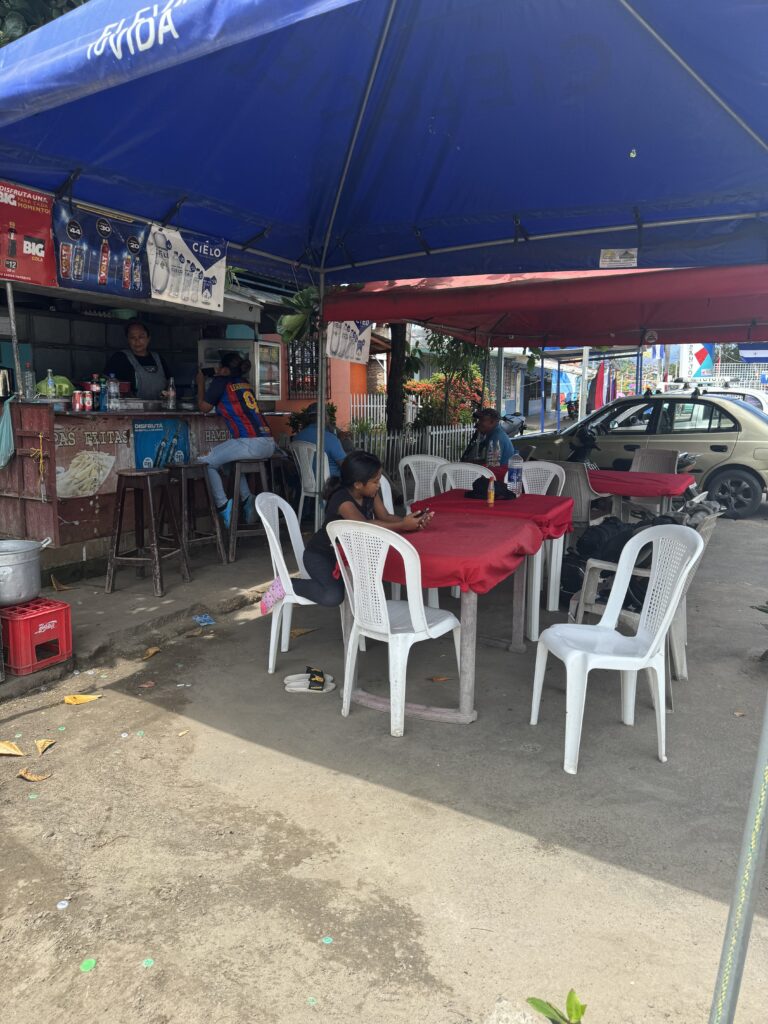
I visited Ometepe at the end of August, during the rainy season.
It was hot, green and absolutely fine for the kind of trip I was doing. We were outside most of the time, biking around and spending time by the lake, and the fact that I visited during the rainy season didn’t ruin my experience at all.
If I were going back specifically to explore more of the island, I’d probably choose the drier months, but I also wouldn’t automatically rule out the rainy season.
One thing I’d pay attention to is how busy you want the island to feel. I loved that there weren’t crowds of tourists everywhere during my visit, so I wouldn’t personally choose my dates without considering that.
→ Read my full guide: Best Time to Visit Ometepe
Is Ometepe Safe?
Safety wasn’t something I spent much time worrying about on Ometepe, and overall I felt safe during my visit.
I was traveling with a friend rather than alone, and I didn’t have enough experience staying out late on the island to give you some dramatic verdict about nighttime safety. During the day, though, I felt comfortable walking around Moyogalpa and doing the normal things we were doing.
I did have one very weird moment while we were trying to get to San Ramón Waterfall, which I explain properly in my safety post because the context matters. It wasn’t a situation where someone threatened me or tried to approach me, but it was enough to make me leave the area rather than stand around and find out what was going on.
If I went back, I would still consider visiting Ometepe alone. I’d just make the same practical choices I make anywhere else: stay somewhere convenient, know how I’m getting around and avoid putting myself in situations where I’m relying on luck to get back.
→ Get Travel Insurance for Nicaragua here
→ Read my full guide: Is Ometepe Safe?
What Does Ometepe Cost?
Ometepe was part of an extremely budget backpacking trip for me. We were traveling through Central America quickly and trying to keep our costs down, and I was spending roughly €20 a day around this part of the trip.
That included the kind of basic backpacker travel I was doing rather than a comfortable holiday.
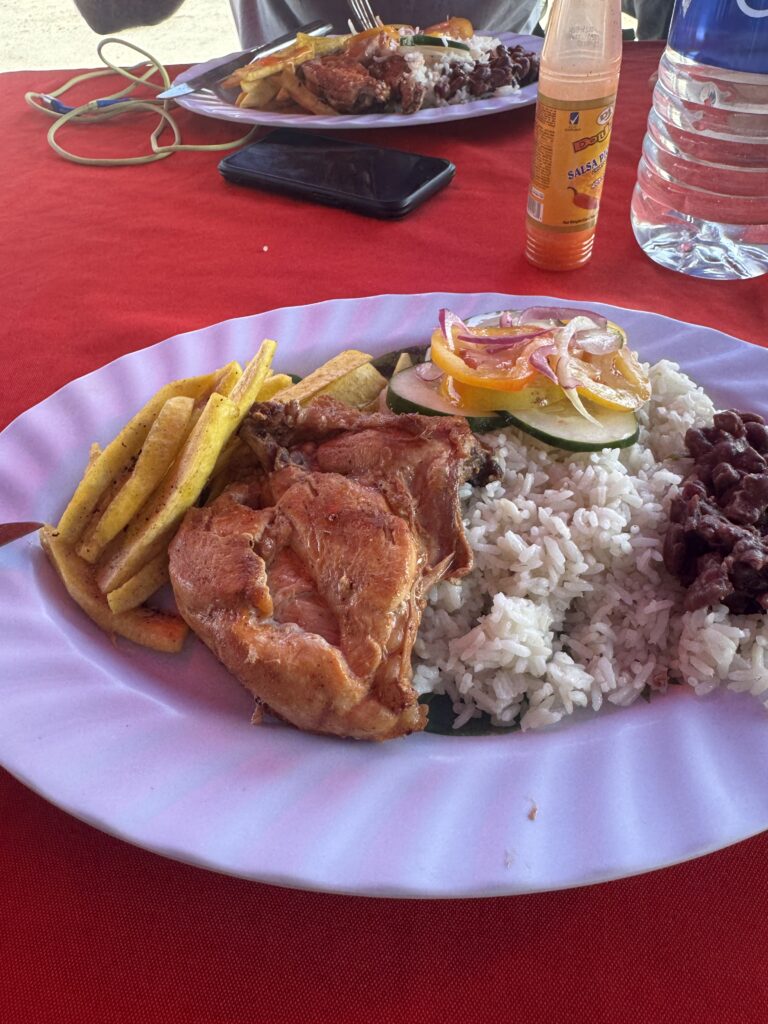
Accommodation can be cheap, especially if you’re staying in hostels or simple local places, and food doesn’t have to be expensive either. Your biggest variable is going to be how you choose to get around and which activities you add.
I wouldn’t use my €20-a-day figure as a current Ometepe budget without checking today’s prices. It was my actual spending at the time, not a promise that you can recreate the same trip for exactly that amount now.
What to Pack for Ometepe
You don’t need some massive special packing list for Ometepe, but I would think about the fact that you’ll probably be outside a lot.
I’d bring comfortable clothes for hot weather, swimwear, sunscreen, insect repellent, comfortable shoes, a reusable water bottle and something lightweight for rain.
If you’re planning to hike one of the volcanoes or waterfalls, pack properly for that instead of doing what I did and showing up in beach clothes.
I’d also keep your important things protected from rain and splashes when you’re around the lake or traveling by ferry. A small dry bag or waterproof pouch is one of those boring things that becomes very useful when you’re actually traveling.
Other Practical Things I’d Know Before Going
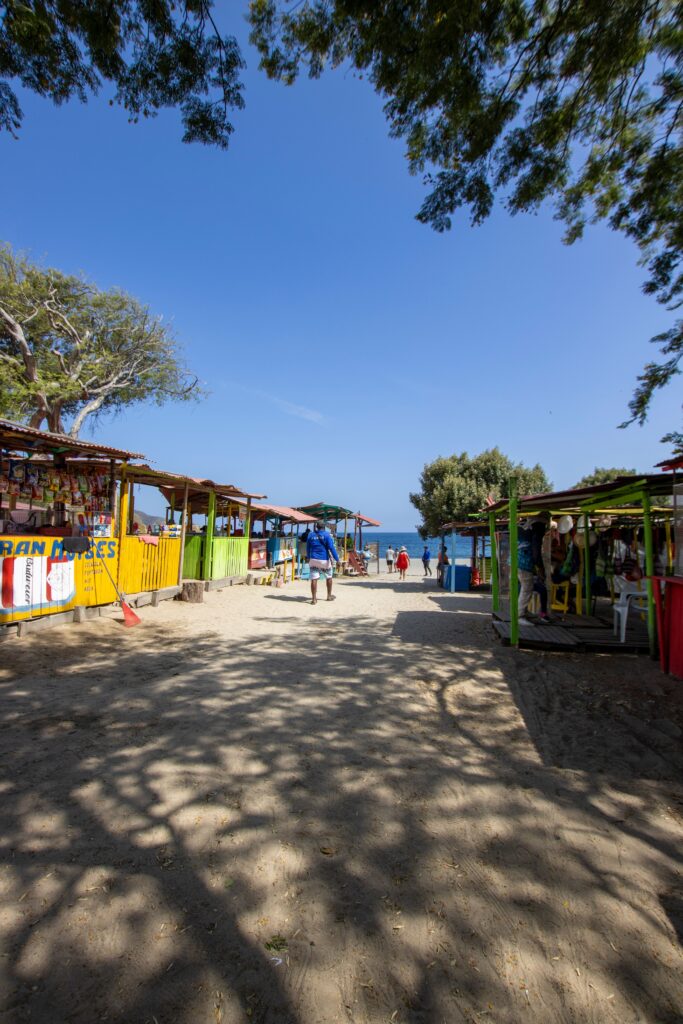
Ometepe is still a fairly laid-back island, and I wouldn’t arrive expecting the same infrastructure you’d have in a major Nicaraguan city.
That means don’t leave everything until the last second. Have your accommodation address saved, keep enough cash with you, download anything important before heading into rural areas and think about how you’re getting back before you set off somewhere remote.
I’d also give yourself more time than Google Maps might make you think you need. Roads, local transportation, ferry schedules and spontaneous travel decisions don’t always fit neatly into an itinerary.
And if you’re doing a volcano or waterfall hike, treat that as an actual hike. Don’t make my mistake and assume that because something is described as an attraction, you’ll just wander over to it in whatever you happen to be wearing.
What I Loved About Ometepe
What stayed with me most wasn’t one specific attraction.
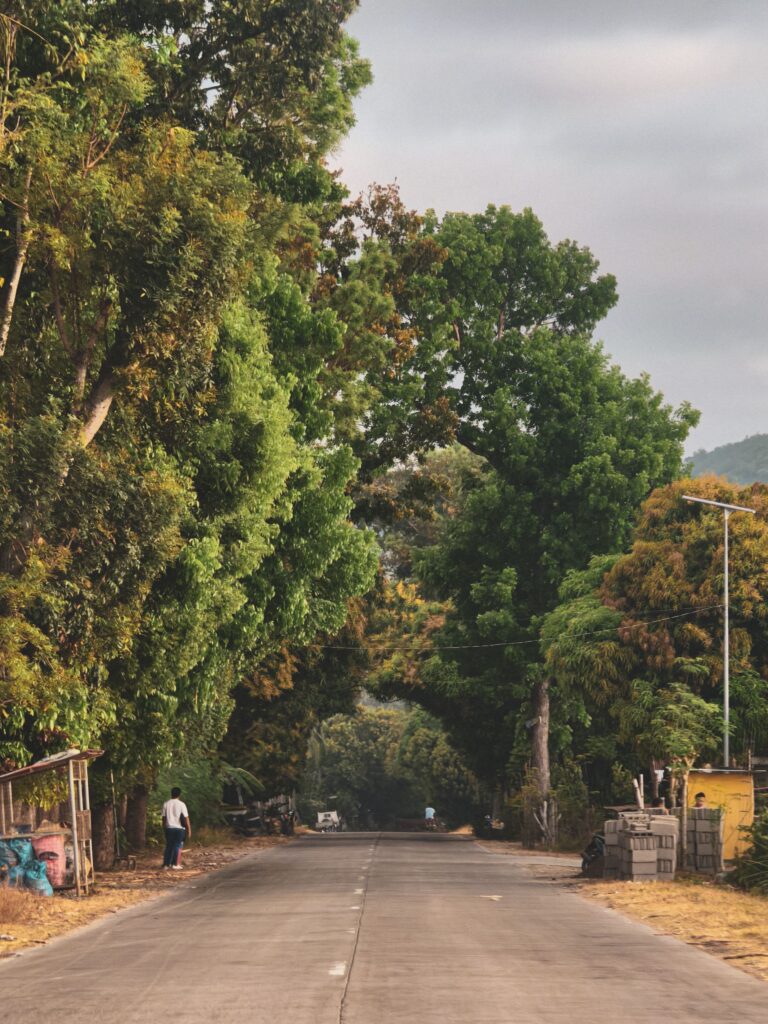
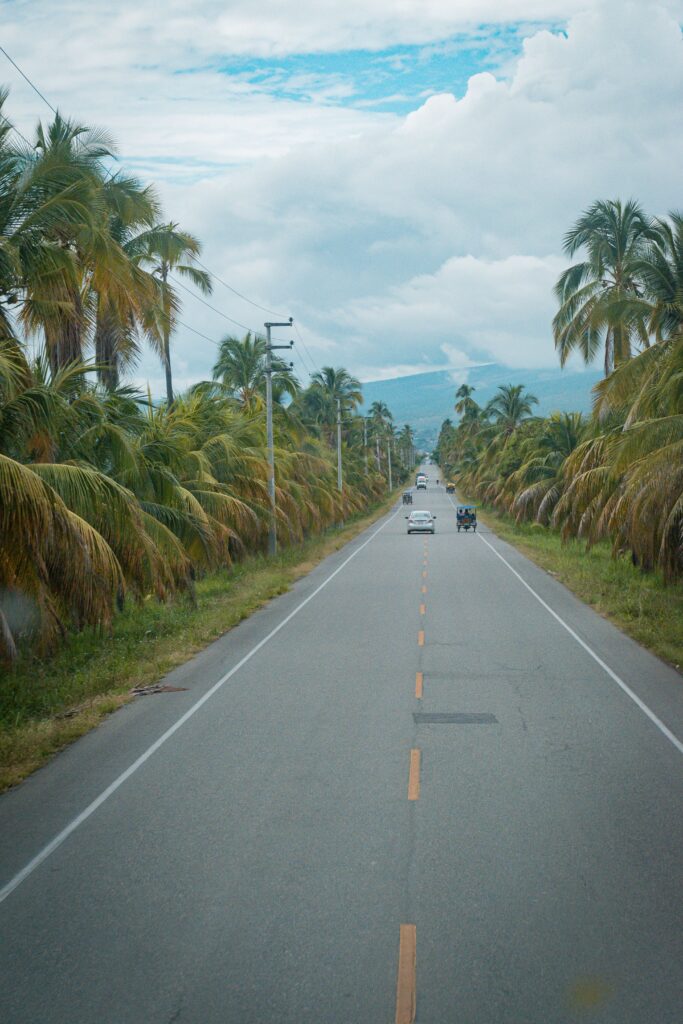
It was the feeling of being somewhere where I could get on a bike, pass through local communities, stop wherever looked interesting and not feel like I was surrounded by a giant tourist machine.
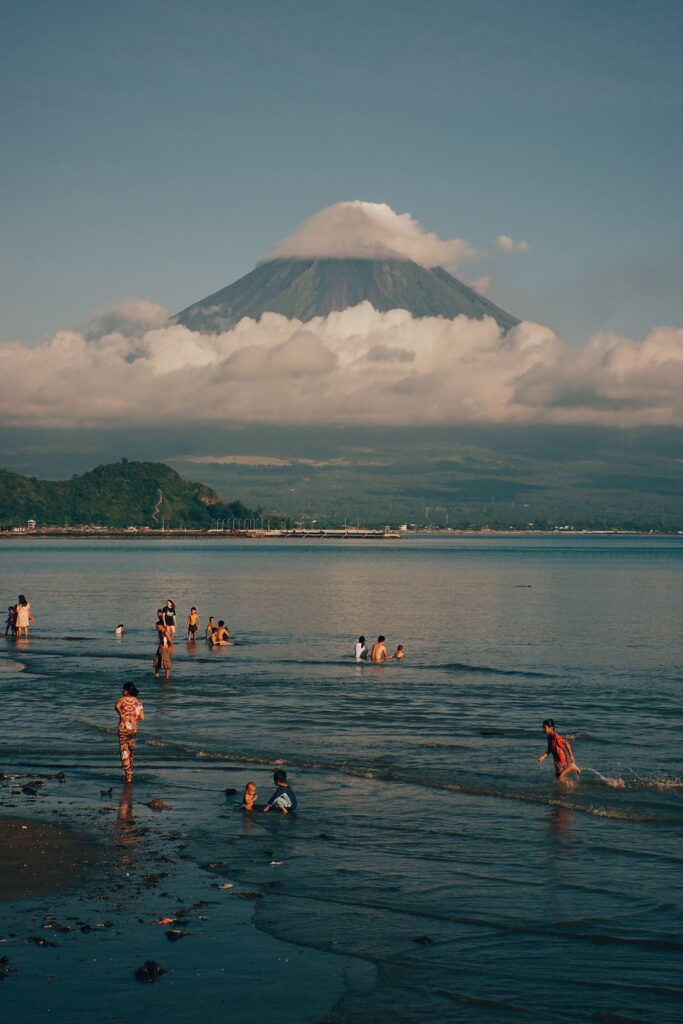
I loved the beaches, the volcanoes, the warm water and the fact that the island felt like somewhere people actually lived rather than somewhere that existed entirely for visitors.
And I loved Nicaragua in general almost immediately. After how much I disliked Costa Rica, arriving here felt like such a relief that I’m sure that affected how I experienced the island too.
My biggest regret is that I treated Ometepe like a quick stop in a country-counting itinerary when it deserved much more time.
My Ometepe Experience
My Ometepe trip was not some perfectly planned island holiday.
We showed up without accommodation booked, found a cheap room, rented bikes, explored, got hungry, made plans as we went and then eventually had to deal with a sold-out ferry when it was time to leave.
That is actually part of why I loved it.
I’ve traveled enough now to know that some of my favorite places are the ones where I don’t need every hour planned out. Ometepe was one of those places for me, even though I also know now that I should have stayed longer.
If you’re planning your own trip, use this guide as the starting point, then go deeper into the posts that actually matter for your trip rather than trying to find everything on one page.
Ometepe Travel Guide: Final Thoughts
Ometepe is one of those places where the logistics matter almost as much as the destination itself. Decide how you’re getting around, choose your base based on that, give yourself enough time and don’t underestimate how big the island is.
I went for a very short stop and left wanting to come back. If I ever do, I’m staying longer, exploring more of the Maderas side and giving myself enough time to actually enjoy being there instead of checking the clock for the next bus, ferry or country.
Read My Nicaragua Guides
Costa Rica to Nicaragua: Journey to My Country #53/197
Ometepe Island: The Nicaragua Stop I Immediately Fell in Love With
Is Ometepe Worth Visiting? My Experience on the Island
How Many Days in Ometepe? How Long I’d Stay Next Time
Cocos Hostel Ometepe Review: My One-Night Stay
Best Time to Visit Ometepe: When I’d Go Back
Is Ometepe Safe? My Experience, the Good and the One Weird Moment
18 Things to Do in Ometepe Without Turning the Island Into a Giant Tourist Checklist
My Ometepe Itinerary: What We Did & How I’d Plan It Now
Where to Stay in Ometepe: The Best Areas for Your Trip
How to Get from Ometepe to Granada (and How We Actually Did It)
Disclosure: Some posts on this blog contain affiliate links. If you make a booking through one of my links, I may earn a small comission - at no extra cost to you. Thank you for helping me keep my dream alive!


You May Also Like
2 Day Porto Itinerary: How I’d Spend 48 Hours in Porto

Is Bratislava worth visiting? My Experience in the Capital of Slovakia