Best Time to Visit Panama City: When I’d Go After Visiting in August
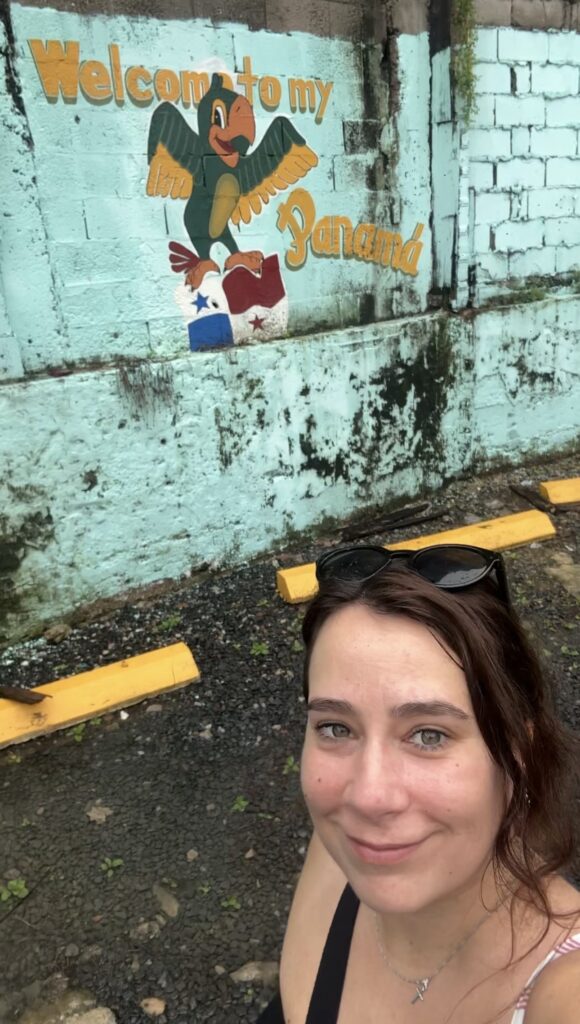
I visited Panama City at the end of August, and if you’re trying to figure out the best time to visit Panama City, I can already tell you that I would not choose that time of year again. Panama City was the first stop of our Central America trip, and because we only had one full day there before continuing to Bocas del Toro, the weather made a big difference to how much we could actually enjoy the city.
It rained a lot while we were there, which gave me a very real introduction to Panama’s rainy season. Panama stays hot throughout the year, so the biggest difference between seasons isn’t really the temperature but the amount of rain. After experiencing Panama City at the end of August, I’d personally choose the dry season if I was planning the trip again.
When I Visited Panama City: My Experience in August
We flew directly from Madrid to Panama City after finding a cheap last-minute flight and arrived in the early evening without even having accommodation booked. We ended up booking Casa Areka after landing, stayed there for the night, and had the following day to explore before taking the night bus toward Almirante and continuing to Bocas del Toro.
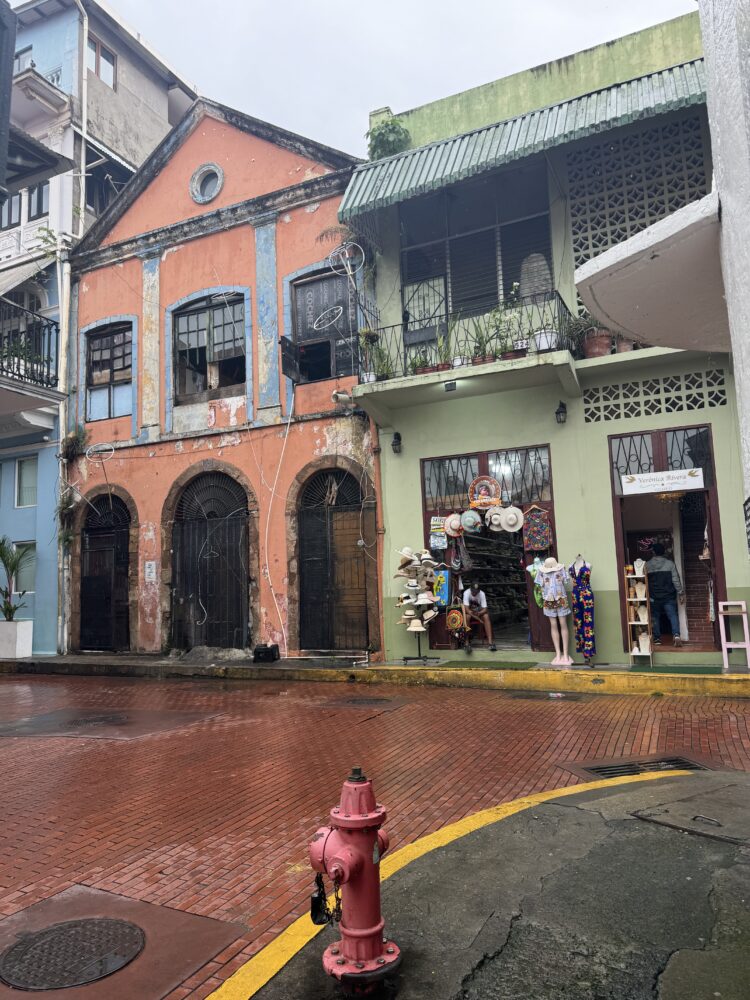
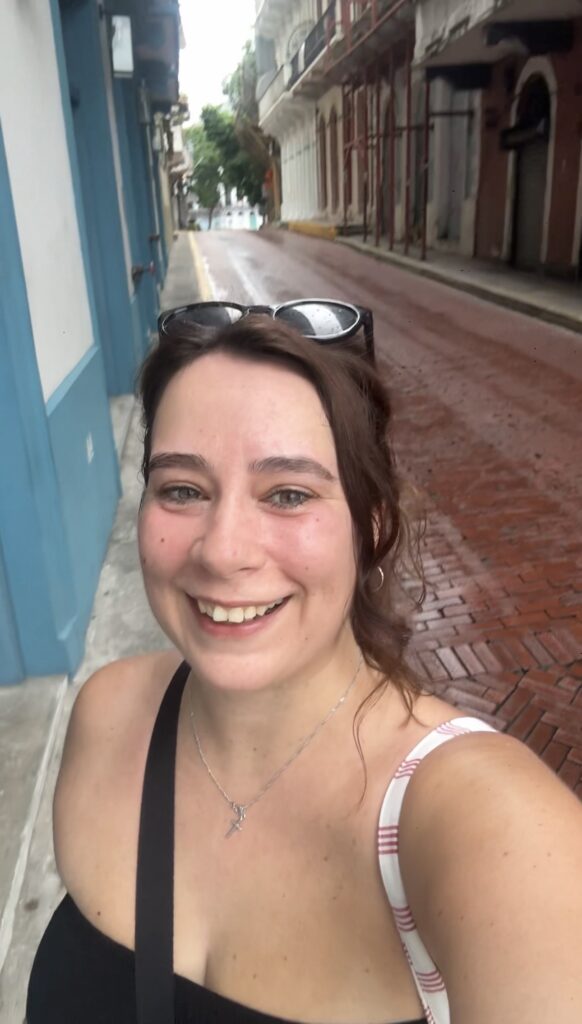
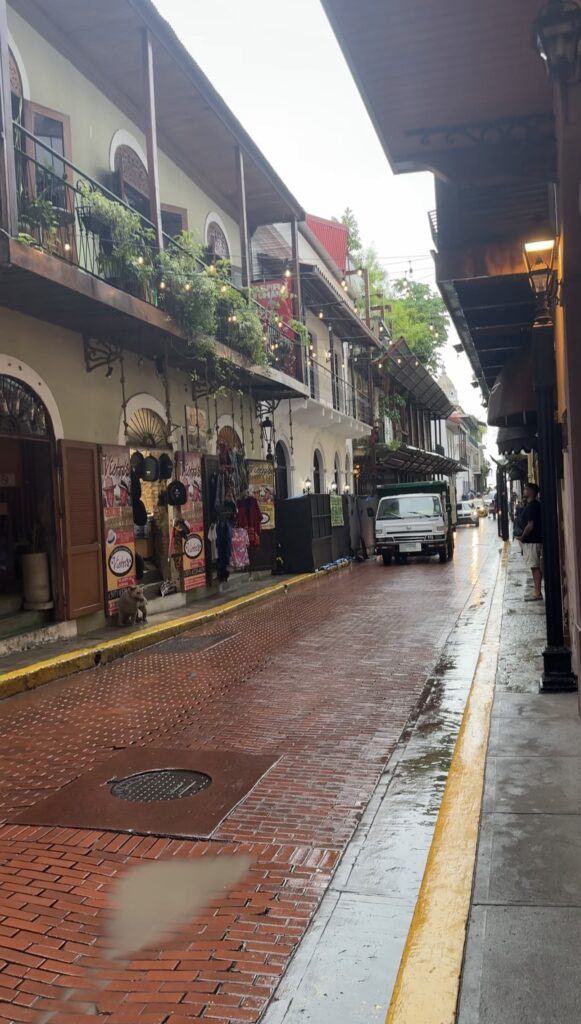
Unfortunately, the end of August is right in the middle of Panama’s rainy season, and the weather made sure we knew it. It rained throughout a big part of the day, which was particularly annoying because we didn’t have several days to move our plans around. We still explored Casco Viejo, wandered around other parts of the city, stopped for food and made the most of the time we had, but I definitely would have preferred doing all of that without constantly dealing with rain.
The temperatures themselves weren’t the problem. Panama City was still hot and humid, which is pretty normal there throughout the year. It was the combination of heat, humidity and constant rain that made the day more uncomfortable than it needed to be.
The Best Time to Visit Panama City in My Opinion
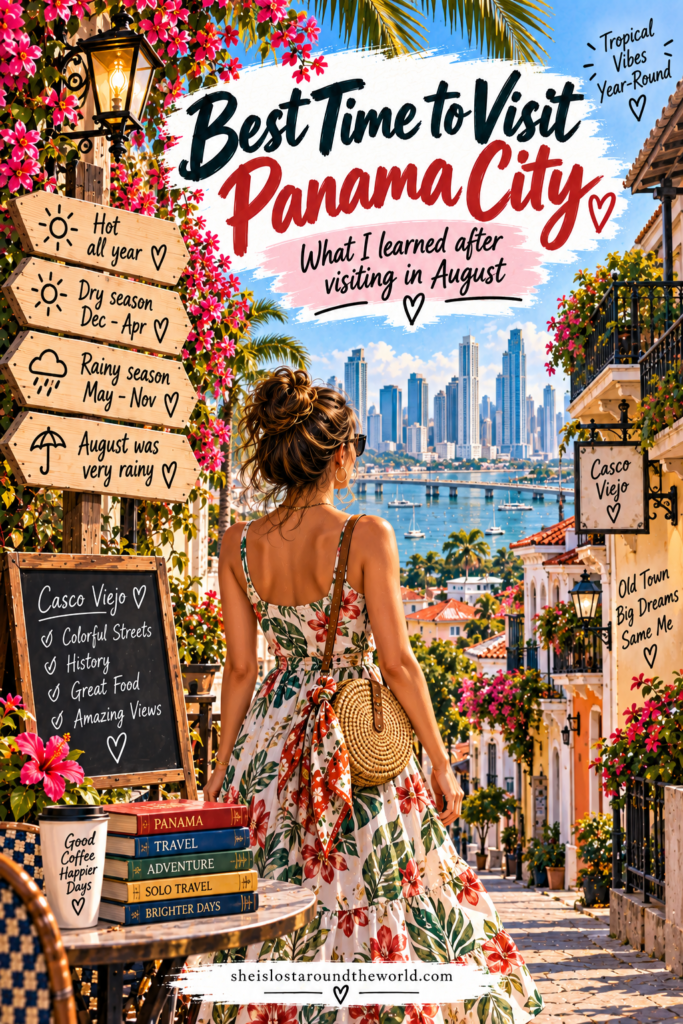
If I were planning another trip to Panama City, I’d visit during the dry season from roughly December to April. If I had complete freedom with my dates, I’d probably choose January to March, when you’re right in the middle of the drier period.
You’re still going to get hot tropical weather, so don’t expect some cool winter escape. The difference is that you have a much better chance of being able to spend the day outside without heavy rain constantly interrupting your plans.
For a city like Panama City, that matters. A lot of the experience involves walking around Casco Viejo, exploring different neighborhoods, seeing the waterfront or heading out on day trips, and all of those things are simply easier when the weather cooperates.
Panama City During the Dry Season
Panama City’s dry season generally runs from December until April, and this is the easiest time to visit if you want reliable sightseeing weather.
There can still be rain because you’re in the tropics, but you’re much less likely to get the kind of wet day I experienced in August. If you only have one or two days in Panama City, I think that alone makes the dry season worth prioritizing because you don’t have much room for a completely washed-out day.
The downside is that better weather usually comes with more visitors and potentially higher accommodation prices, especially around Christmas, New Year and other popular travel periods. Still, unless the price difference were huge, I’d personally rather pay a little more and have a better chance of actually enjoying the city outside.
January, February and March would be my first choices. You’re far enough into the dry season that weather is less of a gamble, while still getting the heat you’d expect from Panama.
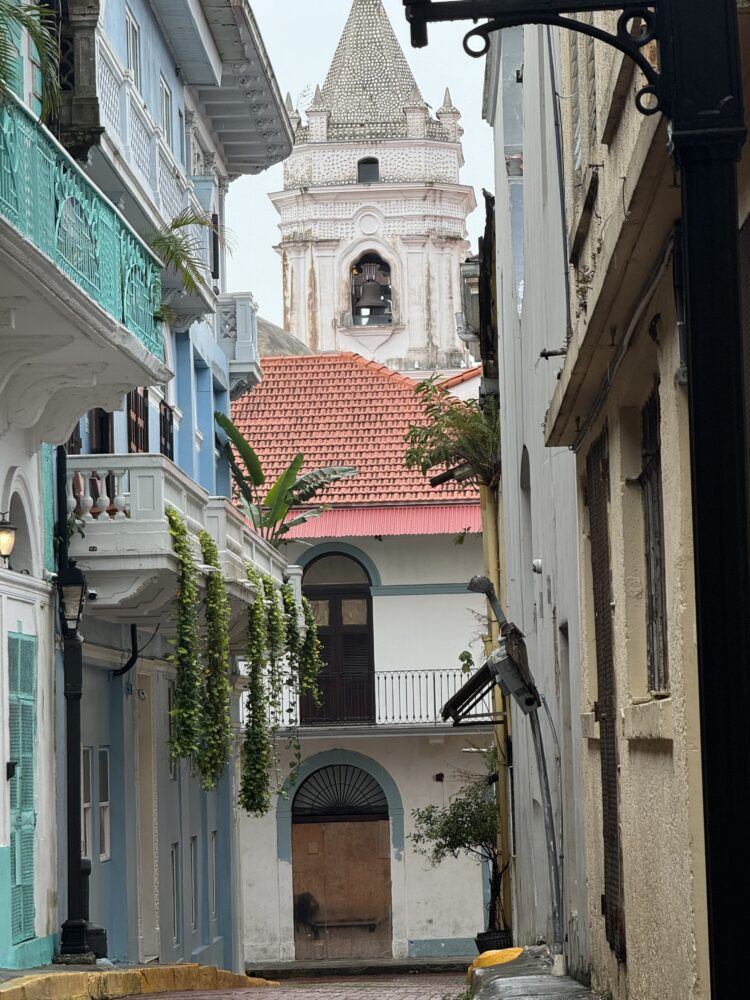
Panama City During the Rainy Season
The rainy season generally runs from May to November, and August falls right in the middle of it.
I wouldn’t tell anyone that visiting during rainy season is a disaster because it obviously isn’t. I did it, we still explored the city, and the rain didn’t stop us from continuing the rest of our trip. But I also wouldn’t pretend the weather was irrelevant, because it absolutely affected our day.
A lot of tropical destinations get described as having quick afternoon showers before the sun comes back out. That may happen on some days, but it wasn’t what I experienced in Panama City. It kept raining enough that the weather became part of the entire day rather than one short interruption.
If you’re coming as part of a bigger Central America trip and Panama City happens to fall during rainy season, I’d still go. If you’re booking a standalone Panama trip and can freely choose between February and August, I’d choose February without thinking twice.
Is August a Bad Time to Visit Panama City?
I wouldn’t call August a bad time in the sense that you should completely avoid Panama City, but I definitely wouldn’t choose it if I had better options.
The biggest problem for us was how little time we had. We had one proper day in the city, so when it rained for a big part of that day, there was no “we’ll just do Casco Viejo tomorrow” option. Tomorrow we were already leaving.
That’s why I think the weather matters even more if Panama City is only a short stop in your itinerary. If you have four or five days, you can rearrange things around the rain. If you have one day, whatever weather you get is the weather you’re exploring in.
→ Read: How many days you need in Panama City
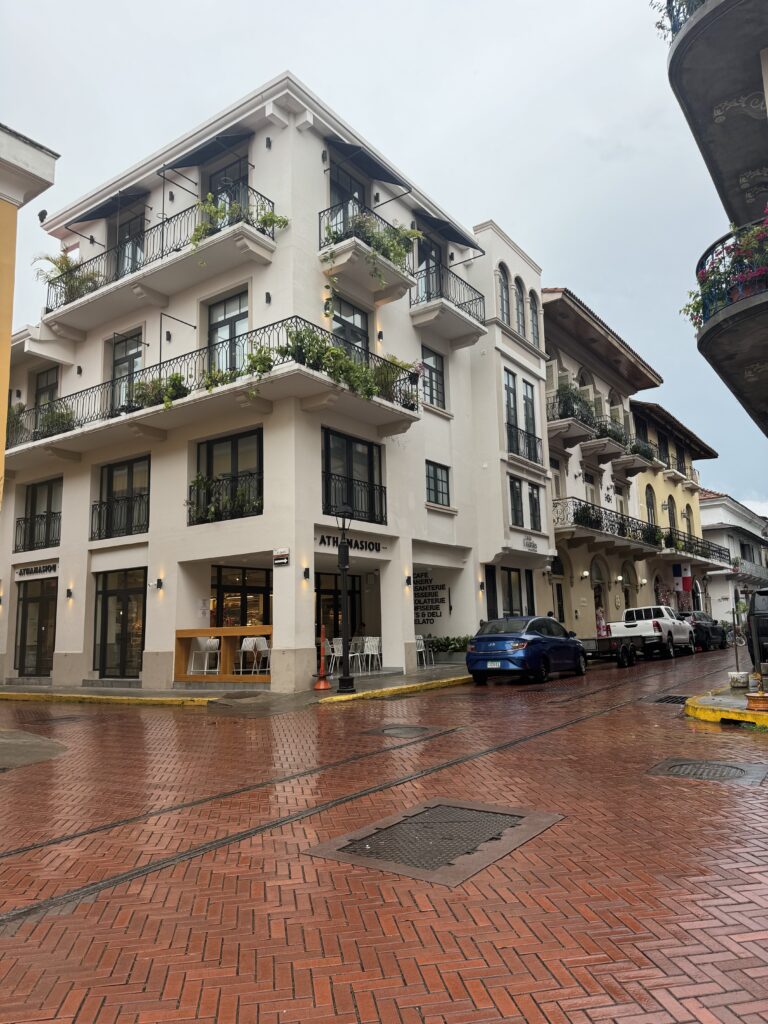
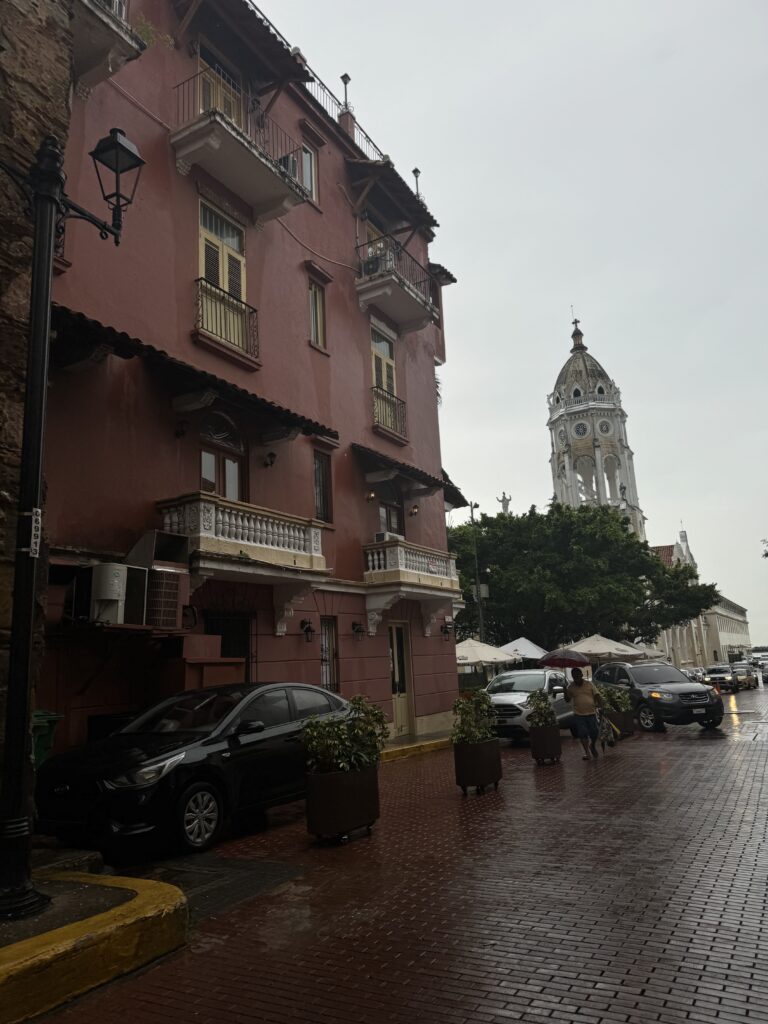
Best Time to Explore Casco Viejo
If Casco Viejo is one of your main priorities, I’d choose the dry season.
A big part of visiting Casco Viejo is simply walking around, seeing the architecture, stopping somewhere for food or drinks and wandering without much of a plan. That is exactly the kind of travel day I enjoy, and it’s much less fun when you keep getting caught in heavy rain.
We still explored it in August, but I’d happily go back and see it again with better weather. I think a dry morning would have made the whole area feel very different.
Best Time for Panama City Day Trips
If you’re planning to use Panama City as a base for day trips, I’d also favor the dry season.
If I went back, I wouldn’t necessarily add several extra days just to keep exploring the city itself. I’d probably use the additional time for things like the Panama Canal, Monkey Island, San Blas or an Embera village experience.
→ Book here: Panama Canal, Monkey Island & Wildlife Tour
→ Book here: San Blas Island Hopping Day Tour
Those are much more weather-dependent than sitting inside a café or restaurant in the city. If I were spending money on a full-day outdoor experience, I’d rather give myself the best chance of decent weather.
Best Time to Visit Panama City While Backpacking Central America
This is where I’d be much less strict about the dates.
Panama City was the first stop of our Central America trip because we found a cheap direct flight from Madrid and it worked for the route. We weren’t sitting at home trying to find the statistically perfect weather month for Panama City; we were trying to plan a much bigger trip through the region.
When you’re traveling through several countries, I don’t think it makes sense to completely destroy a route because one destination happens to fall during rainy season. Somewhere along the way, you’re probably going to get rain, extreme heat or weather that isn’t perfect.
So if Panama City naturally fits your route in August or September, I’d still go. Just arrive knowing that the weather may be very wet and keep the itinerary flexible.
Is the Dry Season More Expensive?
Usually, better weather also means higher demand, so the dry season can be more expensive than the rainier months.
That said, I wouldn’t automatically choose rainy season just because accommodation might be cheaper. Compare the actual prices for your dates first because the difference may not be big enough to make worse weather worthwhile.
When I visited, we were traveling on a very low backpacking budget. We booked Casa Areka after arriving and paid around €19 total for two dorm beds, so roughly €9.50 each, with breakfast included. That worked perfectly for our trip, but if I were planning another Panama City visit and the dry-season accommodation only cost slightly more, I’d pay the difference.
→ Read: Casa Areka Hostel review
What to Pack for Panama City During Rainy Season
If you visit during rainy season, pack for hot weather and heavy rain at the same time.
Lightweight clothes that dry quickly are much more useful than heavy waterproof gear because the humidity is already intense. A small umbrella, comfortable shoes you don’t mind getting wet and something to protect your phone or electronics are all useful.
I’d also still bring sunscreen and sunglasses because rainy season doesn’t mean you’ll never see the sun. The weather can change quickly, and Panama stays tropical regardless of the month.
When Would I Personally Visit Panama City Again?
If I went back, I’d choose January, February or March.
My August trip wasn’t ruined by the rain, and I’m still glad Panama City was our first stop in Central America. But after experiencing how wet it can be during rainy season, I wouldn’t intentionally choose the same timing again if I had complete freedom over the dates.
I’d rather have one proper dry day to explore Casco Viejo, walk around the city and add a day trip without constantly checking whether another downpour is about to start.
FAQs About the Best Time to Visit Panama City
What is the best time of year to visit Panama City?
The dry season from December to April is generally the easiest time to visit. If I were choosing my own dates, I’d aim for January to March.
When is the rainy season in Panama City?
The rainy season generally runs from May to November. I visited at the end of August and experienced frequent rain throughout the day.
Is August a good time to visit Panama City?
You can absolutely visit in August, especially if Panama is part of a longer Central America trip, but it wouldn’t be my first choice. My own August visit was extremely rainy, and the weather affected our only full sightseeing day.
Can you visit Panama City during rainy season?
Yes. The city doesn’t become impossible to visit, and I still explored during my August trip. You just need to expect more rain and keep your plans flexible.
What month would I personally choose?
I’d choose January, February or March for the better chance of dry weather while still getting Panama’s year-round heat.
Final Thoughts on the Best Time to Visit Panama City
I visited Panama City at the end of August and got a very real introduction to rainy season. We only had one full day before continuing to Bocas del Toro, and having rain throughout so much of that day definitely made exploring more annoying.
I’d still visit Panama City during rainy season if that was when it fit into a bigger Central America route. But if I were planning the trip from scratch and had complete control over the dates, I’d make my life easier and go during the dry season, preferably between January and March.
Read My Other Panama City Guides
Is Panama City Worth Visiting? My Experience Visiting Panama’s Capital
The 5 Best Hostels in Panama City, Panama
Panama City in One Day: The Itinerary I’d Follow If I Went Back
Casa Areka Hostel Review: What €10 Gets You in Panama City
How Many Days in Panama City Do You Really Need? My Honest Recommendation
My Panama Itinerary: The Start of My 8-Country Central America Trip

You May Also Like
French Riviera Guide: Everything You Need to Know (2026)

Is Nice Worth Visiting? My Honest Review (2026)